How to Choose Toothbrush Filament Material for Different Brush Designs
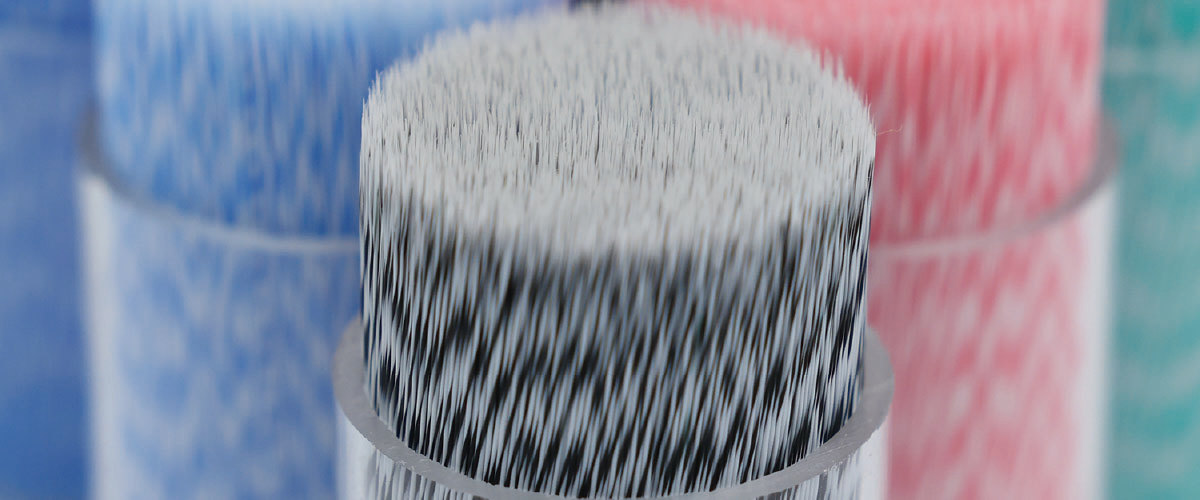
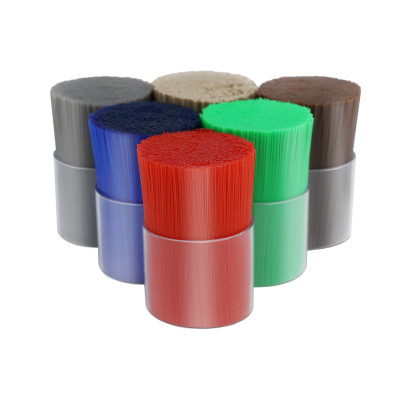
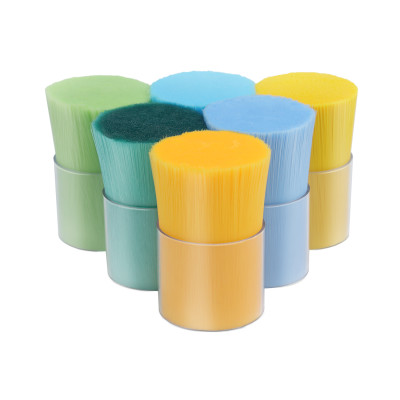
Handle shape and color sell a toothbrush on the shelf, but the plastic brush filament determines how the product feels and performs in daily use. It affects flexibility, recovery, tip comfort, moisture behavior, tufting stability and service life. For a manufacturer, filament is a small line on the specification sheet but a major contributor to product quality, returns and repeat orders.
There is no universal best toothbrush filament. The correct choice depends on the brush design, target user, brushing feel, production process and cost position. This guide explains how to select the material first, then refine the specification through diameter, stiffness and tip geometry.
Start with the Four Main Toothbrush Filament Materials
For a reliable selection, compare materials using the properties that matter on the finished brush: bend recovery, moisture absorption, wear resistance, heat behavior, tufting compatibility and cost. The following overview is a practical starting point; final approval should always be based on samples and production testing.
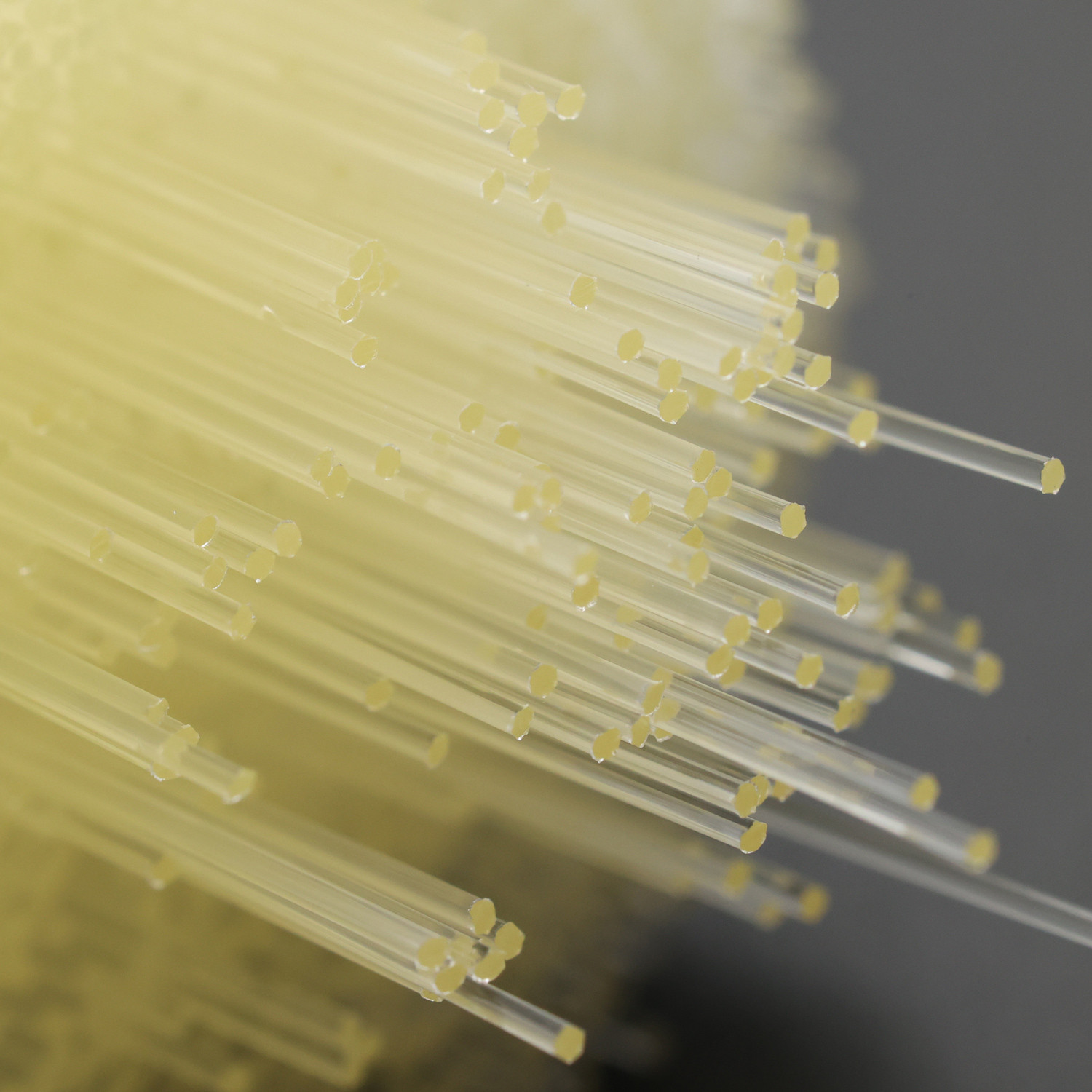
Nylon filament: PA612 and PA610
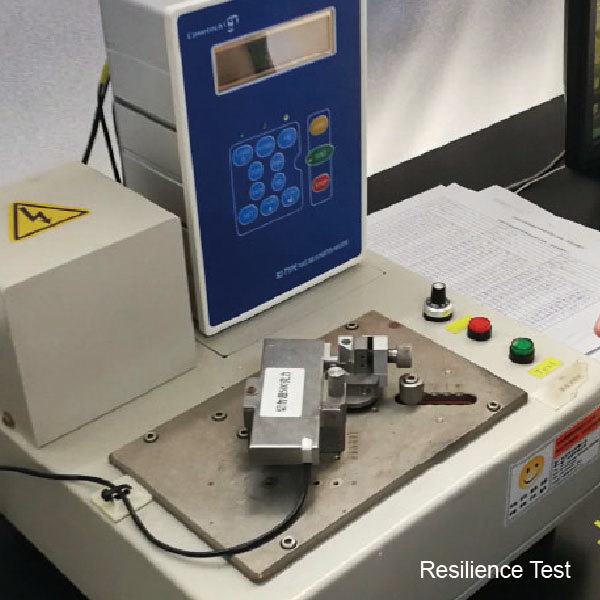
A nylon bristle bends under brushing pressure and recovers its shape. PA612 is a balanced option for everyday gentle cleaning. PA610 offers a firmer structure and heat resistance for medium or hard designs and electric brush heads. Nylon grades should be evaluated by wet-state feel, diameter consistency and long-term recovery, not by polymer name alone.
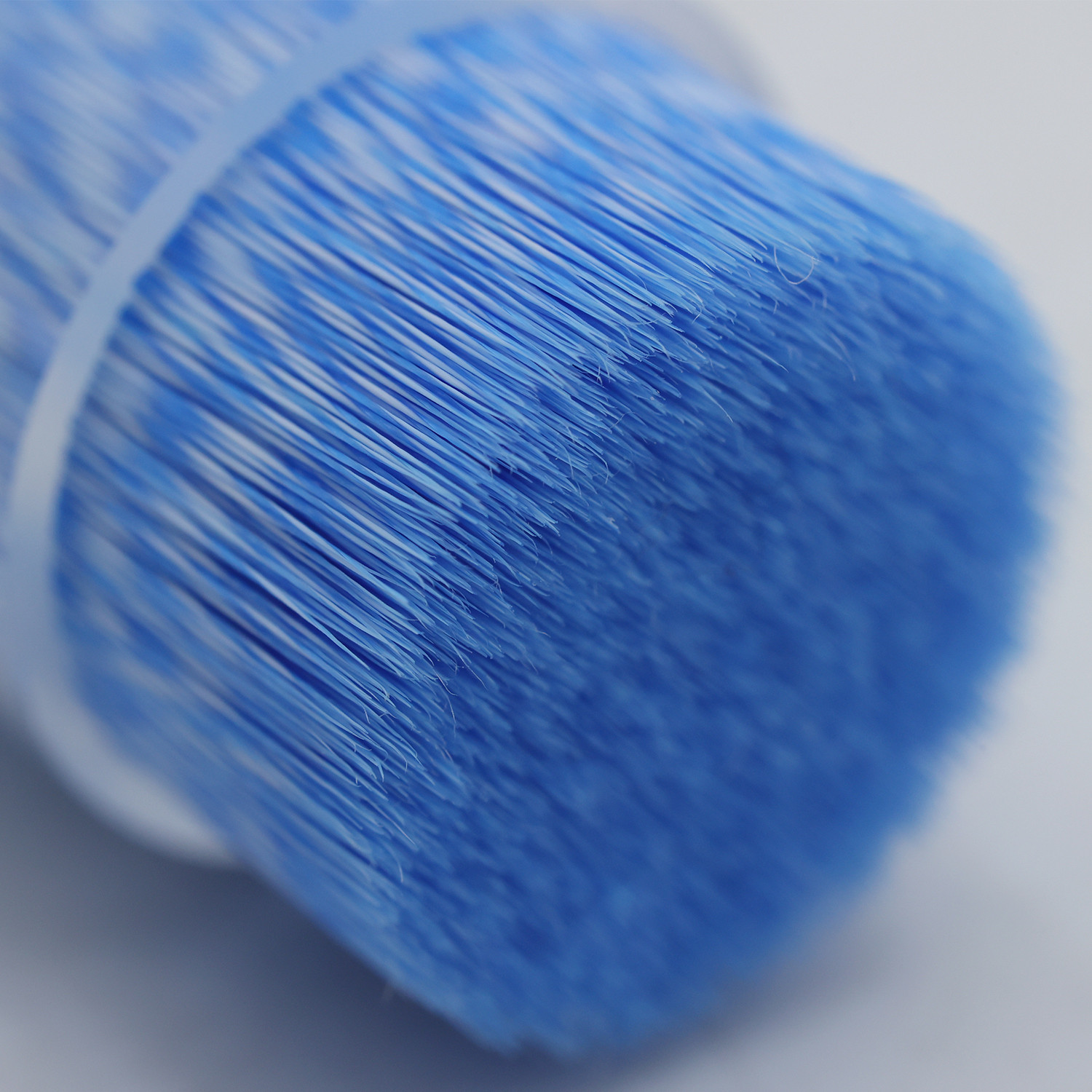
PBT filament: low absorption and stable recovery
A PBT filament is valued for bend recovery, wear resistance and low moisture absorption. It is a strong candidate for premium, high-density and long-life toothbrush designs. PBT can also be supplied with different tip treatments, allowing a manufacturer to balance a stable brushing feel with a softer contact point.
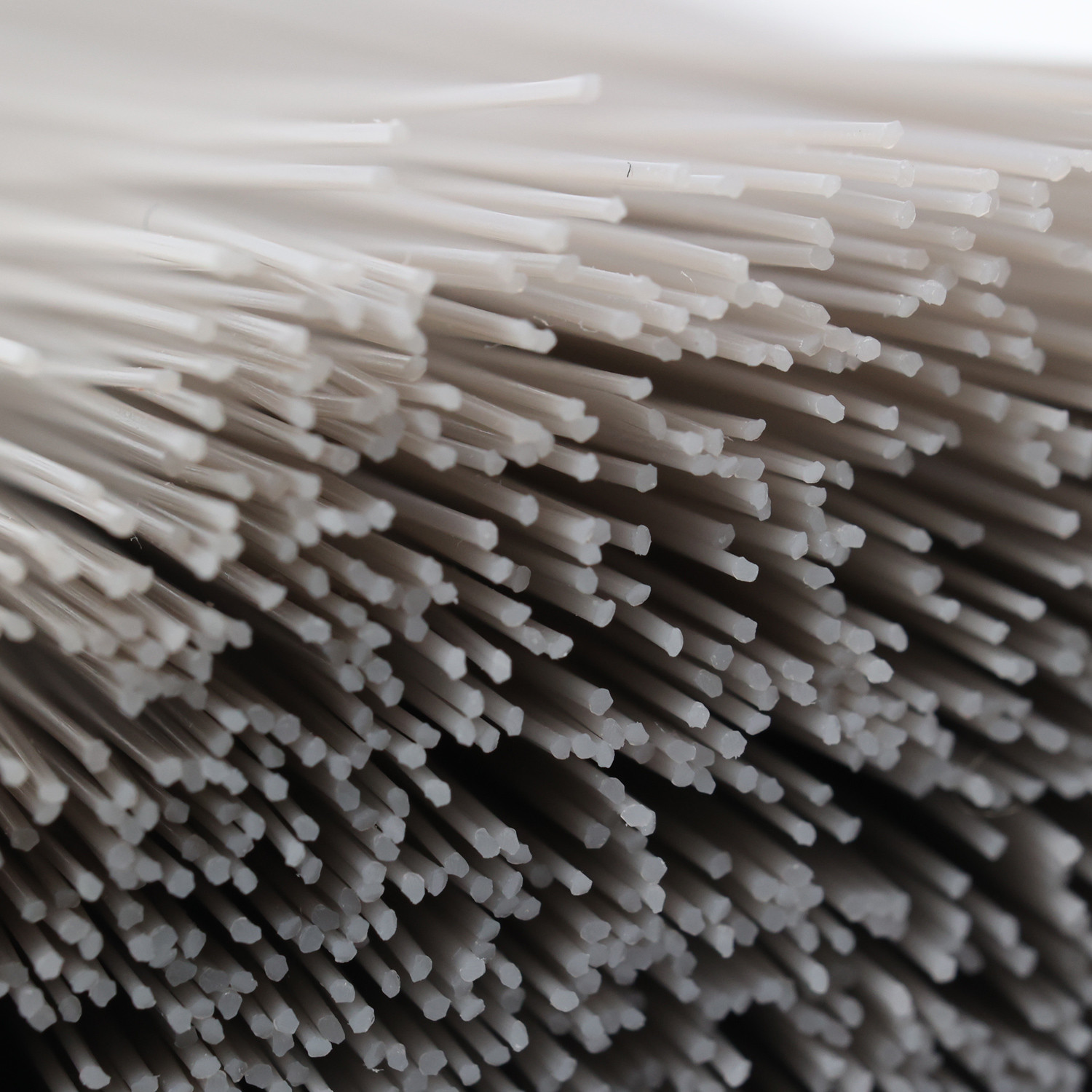
PP filament: cost-efficient production
PP filament is selected when cost, moisture resistance and high-volume tufting are primary requirements. It is suitable for disposable, hotel, travel and promotional toothbrushes. Because resilience and brushing feel differ from nylon and PBT, the material should be tested against the intended product positioning rather than substituted without a design review.
Match Filament Stiffness to the Intended User
Material alone does not define softness. Diameter, free length, tuft density, trim pattern and tip finish also change the brushing experience. Soft filaments are generally the safer default for routine brushing, while medium and hard specifications should be supported by clear user guidance and appropriate product positioning.
| Firmness | Typical positioning | Design and sourcing considerations |
| Soft | Sensitive-care, children's and everyday brushes | Use a suitable diameter and gentle tip treatment. Verify that the finished tuft remains comfortable without losing useful recovery. |
| Medium | General-purpose products for users who prefer a firmer feel | Control brushing pressure through product education. Confirm stiffness after moisture exposure and repeated brushing. |
| Hard | Limited specialty applications such as stain or denture cleaning | Keep clearly separated from the core daily-use range and evaluate the risk of gum or enamel irritation caused by misuse. |
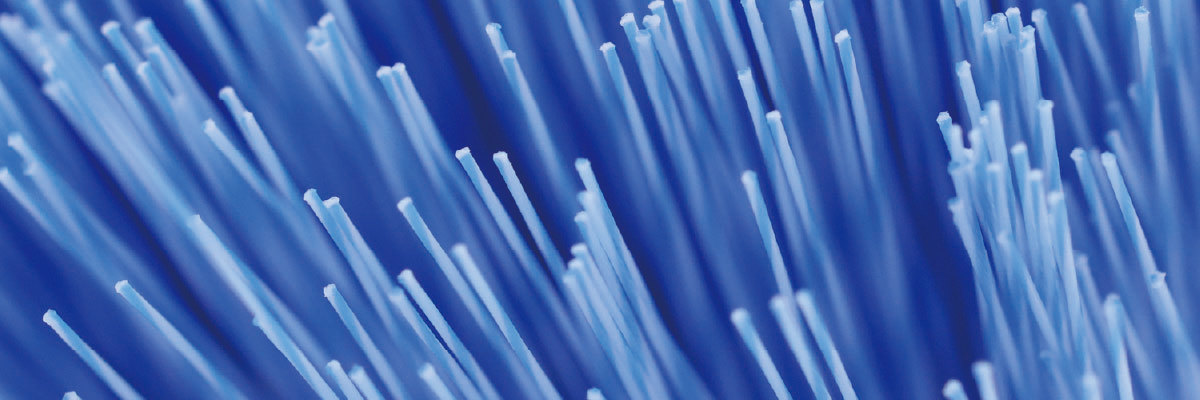
Microscopic Cross-Section of Toothbrush Filament
Select the Tip Design for the Brush Application
Tip geometry directly affects contact, reach and perceived comfort. It should be selected together with the polymer and diameter, because a tapered or rounded tip cannot compensate for an unsuitable base material or unstable production process.
· End-rounded, non-tapered tips: polished tips provide a smooth contact point for high-density adult and premium designs. End-rounding quality should be checked consistently, not only on the first sample.
· Tapered tips: a finer end can flex toward the gumline and narrow spaces. This format is often considered for sensitive-care, children's and premium toothbrushes.
· Multi-level or V-trim patterns: different filament lengths can support cleaning around varied tooth surfaces or orthodontic hardware.
· Fine and micro-filaments: suitable for designs that prioritize a soft, dense contact surface, provided the finished tuft has sufficient retention and recovery.
BrushMake Design-to-Material Selection Map
The following map connects common brush designs with practical BrushMake filament options. It is a starting recommendation for sampling. Your final specification should be confirmed through tufting trials, wet-use evaluation and repeat-batch verification.
| Toothbrush design | Recommended filament | Reason for selection |
| Daily adult and family toothbrush | PA612 nylon filament | Flexible feel, good wear performance and balanced daily cleaning. |
| Medium/hard or electric brush head | PA610 nylon filament | Firmer structure and heat resistance for higher-performance designs. |
Premium high-density adult toothbrush | PBT non-tapered filament | Low moisture absorption, strong recovery and long-term shape stability. |
| Sensitive-care or children's toothbrush | PBT tapered filament | Gentler tip geometry and a soft-care positioning. |
| Disposable, hotel or travel toothbrush | PP filament | Cost-efficient production and stable performance in high-volume applications. |
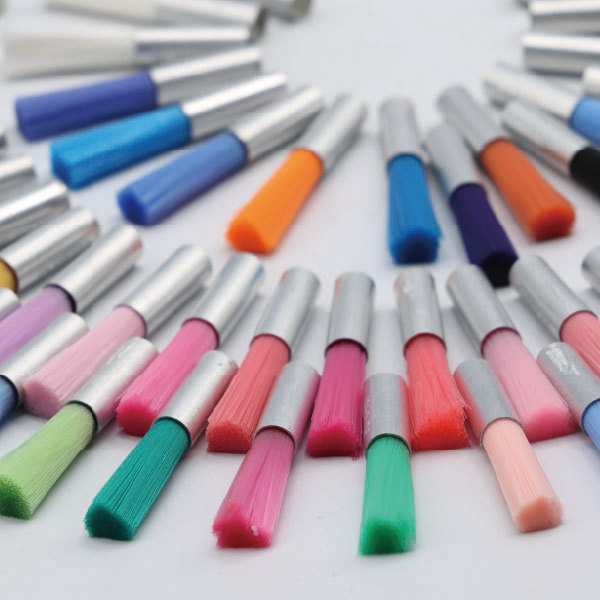
Verify Supplier Quality Before Scaling Up
A good sample is not enough. A reliable supplier must reproduce the same diameter, color, stiffness and tip quality across the full order and future replenishment batches. Use the following questions during supplier evaluation:
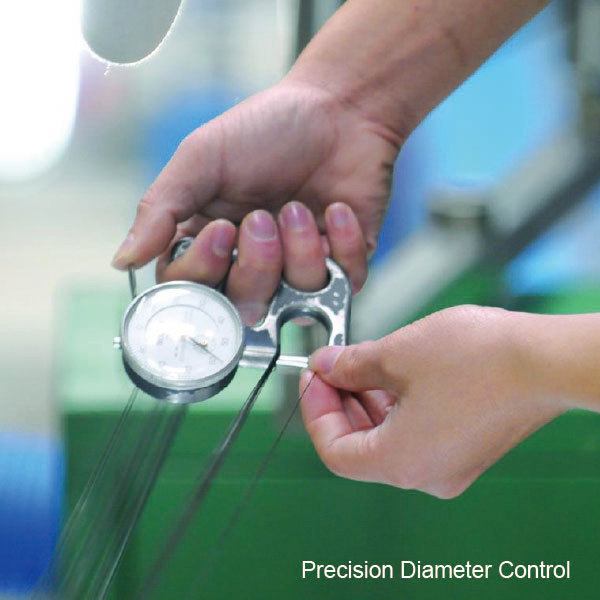
1. How is diameter controlled?
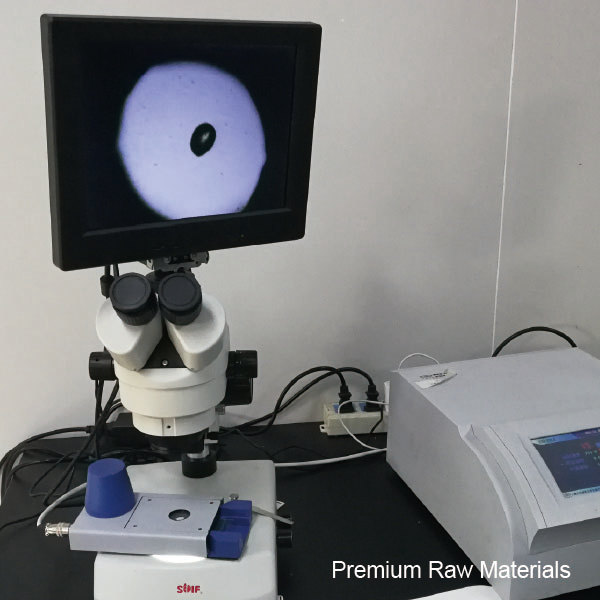
Ask for the tolerance, measurement method, and sampling frequency. BrushMake controls filament diameter within a tolerance of ±8% and performs diameter checks during batch quality control to ensure consistent filament specifications.
2.How is tip quality checked?
Clarify whether end-rounding, taper consistency and surface defects are checked on every batch or only on approval samples.
3.Can the supplier support your machine?
Confirm filament length, straightness, cutting behavior, tuft retention and compatibility with your automatic tufting equipment.
4.Can raw materials be traced?
Record the polymer grade, color formula, additives and batch number so that quality issues can be investigated quickly.
Why BrushMake Supports Toothbrush Filament Projects
BrushMake is a dedicated brush-filament brand supporting toothbrush manufacturers with a full material range, including PA612, PA610, PA66, PA6, PBT, PET, PP, PE and PVC. Every filament can be customized in diameter, color, length, cross-section, curvature, tip shape and hardness to match different brush designs, target users and production processes. Flexible MOQ and sampling support help teams validate brushing feel, tufting compatibility and batch consistency before scaling up. Explore the full BrushMake toothbrush filament application range or visit the BrushMake website. Share your brush specifications with us and we will recommend the right filament solution for your next project.