
Together We Craft Competitive Brushes
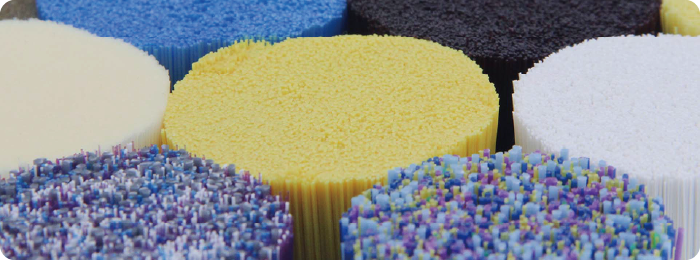
Material Science for High-Performance Brush Filaments
From Nylon and PBT to PET, PP, PVC, PPS, and PEEK, BrushMake help brush manufacturers identify the material characteristics that best match their working conditions, performance targets, production process, and cost requirements.Find Your Filament Solution
Home / Material Science
Material Overview
The right material works as part of the complete filament system—not in isolation. We match material characteristics with filament design, processing, and application requirements to achieve reliable brush performance.

Polymer Family
Determines the fundamental performance profile of the filament.

Filament Geometry
Diameter, cross-section, taper, length, and shape influence stiffness, flexibility, and cleaning behavior.

Processing & Heat Setting
Processing conditions affect dimensional stability, recovery, and the final physical behavior of the filament.

Working Environment
Water, chemicals, temperature, friction, pressure, and repeated flexing can significantly affect service performance.
Material Families
Specializing in delivering efficient, innovative additives for plastics, rubber, and coatings, along with customized high-end plastic particles and advanced catalyst technologies.
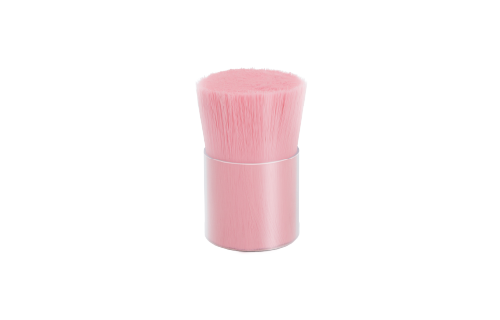 t
tNylon — PA612 / PA610 / PA66 / PA6
Nylon is widely used for toothbrushes, hair brushes, twisted brushes, and industrial brusheswhere flexibility, recovery, and mechanical durability are required. Different Nylon grades allow you to balance softness, stiffness, moisture sensitivity, and durability according to the brush application.
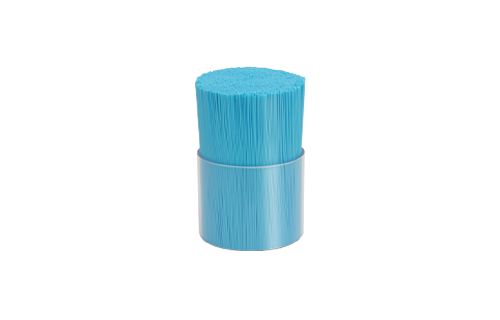
PBT
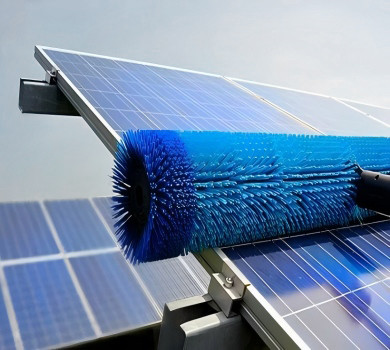
PBT is commonly used in toothbrushes, industrial cleaning brushes, and solar panel cleaning applicationswhere consistent stiffness, dimensional stability, and low moisture sensitivity are important. It is a practical choice when the filament needs to maintain relatively stable behavior in wetor humid conditions.
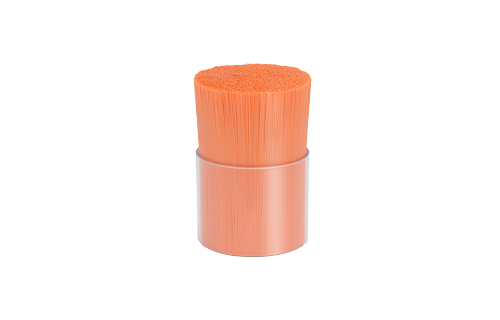
PET
PET is commonly selected for broomsand cleaning brushesthat require stiffness, wear resistance, and good dimensional stability. It can provide a practical balance of durability and cost for repeated cleaning and outdoor applications.
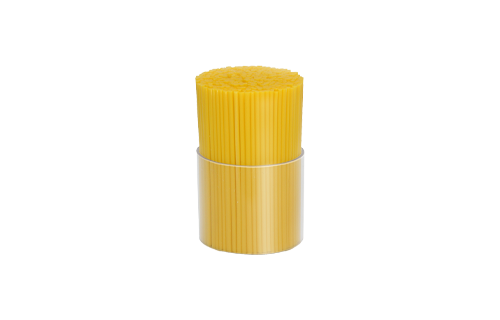
PP / PE
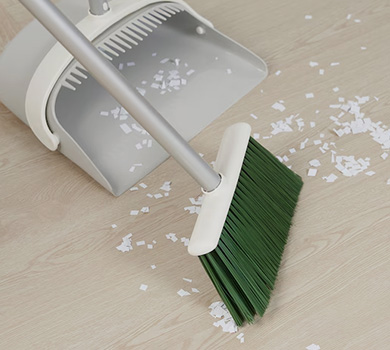
PP and PE are widely used in brooms, cleaning brushes, bottle brushes, and other cost-sensitive applicationswhere lightweight construction, moisture resistance, and chemical compatibility are valued. They offer an economical option when the application does not require the higher performance of engineering polymers.
PVC
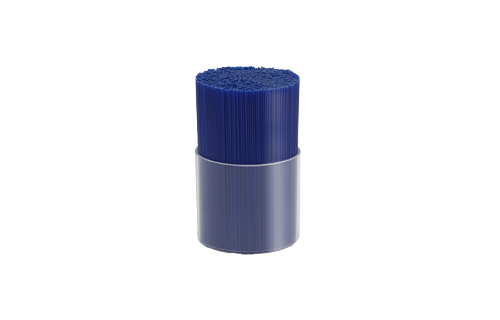
PVC is used in indoor broomsand household cleaning brusheswhere flexibility, moisture resistance, and cost efficiency are important. It is suited to everyday cleaning applications that do not require the higher temperature or mechanical performance of engineering polymers.
PPS / PEEK
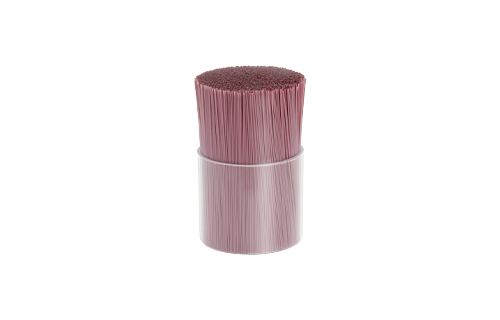
PPS and PEEK are considered for specialized industrial brushesexposed to elevated temperatures, aggressive chemicals, or demanding operating conditions. Their higher performance potential makes them suitable when conventional filament materials may not provide sufficient thermal or chemical resistance.
Key Properties
Material selection starts with understanding the properties that matter in real-world brush applications.
Flexibility
Flexibility determines how easily a filament bends and recovers, directly affecting brush feel, surface contact, and cleaning action. The right balance helps achieve the required softness or stiffness without sacrificing recovery during repeated use.

Water Absorption
Water absorption affects how filament properties change when exposed to moisture, including stiffness, flexibility, and dimensional stability. For wet or humid applications, selecting a material with suitable moisture behavior helps maintain more consistent performance.

Chemical Resistance
Chemical resistance determines how well a filament maintains its properties when exposed to cleaning agents, oils, acids, alkalis, or other chemicals. Matching the material to the actual chemical environment helps reduce degradation and maintain brush performance over time.

Thermal Resistance
Thermal resistance indicates how well a filament maintains its mechanical and dimensional properties at elevated temperatures. For hot-water or high-temperature applications, the material should be selected according to the actual operating temperature and exposure conditions.

Abrasion Resistance
Abrasion resistance determines how well a filament withstands repeated friction and mechanical wear during use. For heavy-duty cleaning and industrial brushes, suitable wear resistance can help extend brush life and maintain consistent cleaning performance.
Material Selection Starts With the Application
At BrushMake, we approach material selection by connecting application requirements with material properties, filament specifications, and production conditions—helping customers move from material selection to a validated brush solution.

Step 1
Define the Brush Application
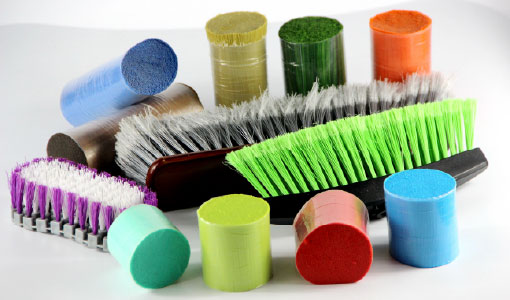
Different brushes place different demands on the filament. A toothbrush may prioritize softness and recovery, while a broom may require stiffness and wear resistance; an industrial brush may need a combination of abrasion resistance, chemical resistance, and mechanical durability.

Step 2
Define the Performance Target
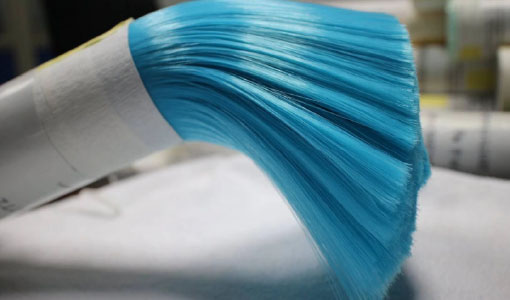
The priority of each property depends on the brush application. For example, increasing stiffness may improve cleaning force in some applications, but excessive stiffness may reduce surface conformity or user comfort.
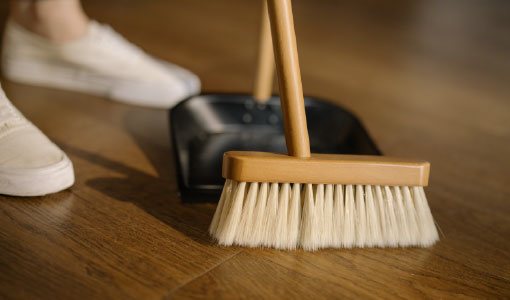

Step 3
Evaluate the Working Environment
A material that performs well in a dry environment may not behave the same way in water, chemicals, or elevated temperatures. Evaluating the real working environment helps prevent material choices that look suitable on paper but fail to meet actual service requirements.
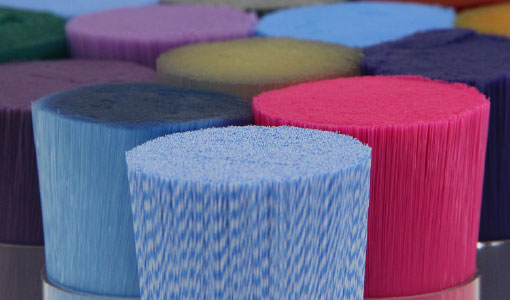

Step 4
Match the Material Family
Material selection becomes more efficient when the material family is narrowed according to actual performance requirements. This helps avoid both under-specification, which can cause performance problems, and over-specification, which may increase unnecessary material cost.
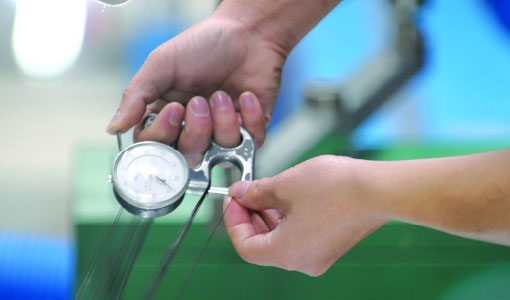

Step 5
Refine the Filament Specification
The right material still needs the right filament specification. Matching the material with the correct diameter, geometry, and processing conditions helps translate material properties into predictable brush performance.
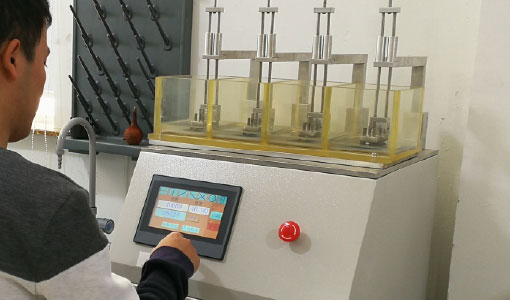

Step 6
Validate Through Testing
Testing reduces the gap between material specifications and real brush performance. It gives you greater confidence before moving from sample development to stable production.
Product & Application Coverage
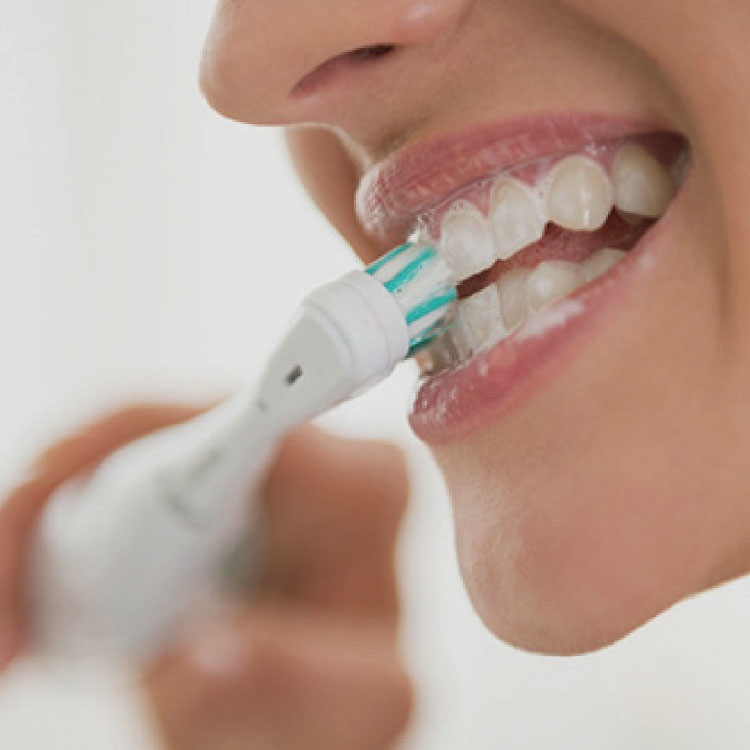
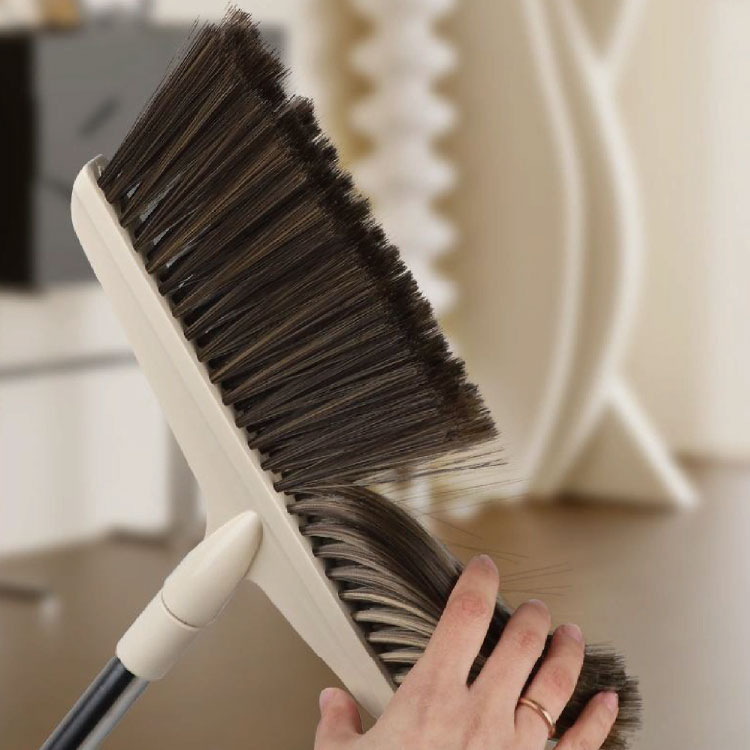
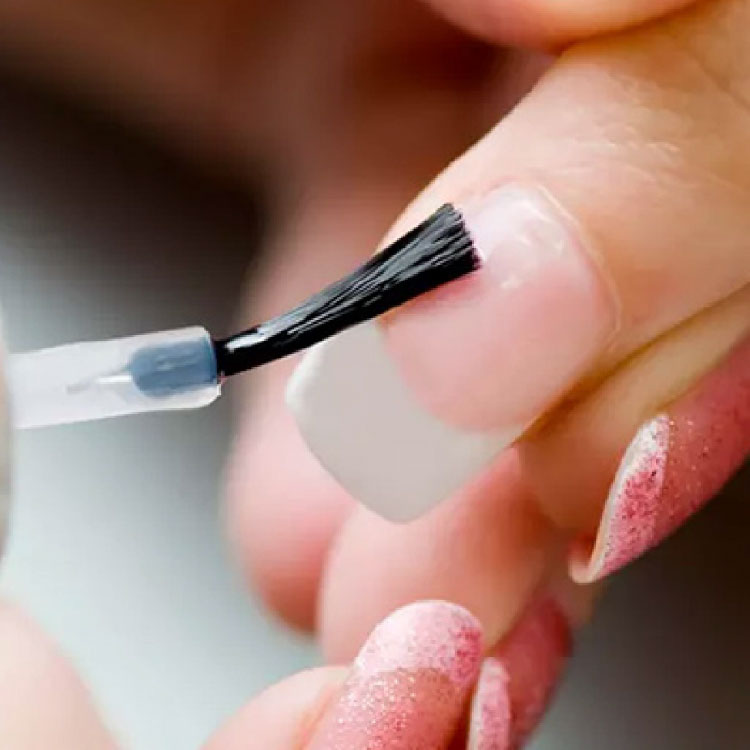
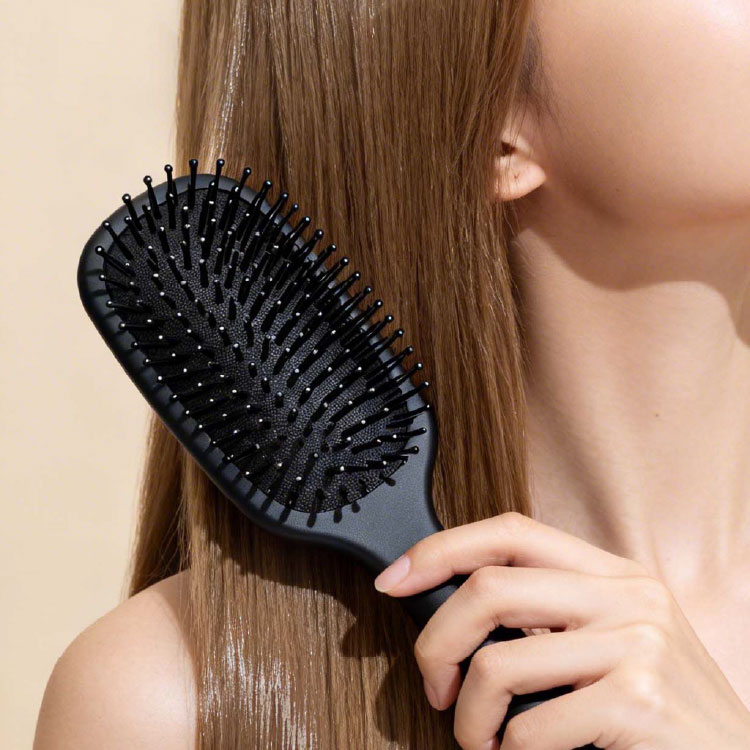
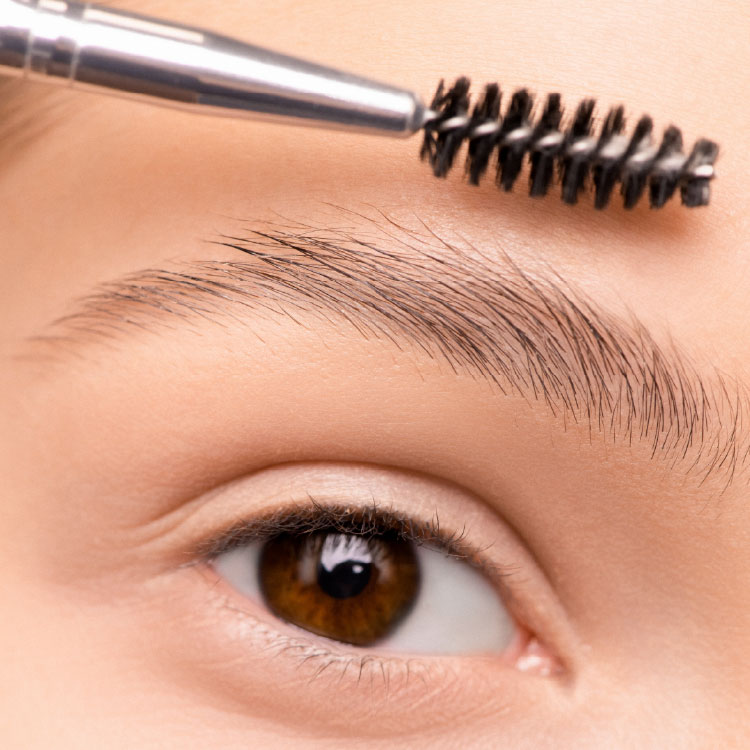
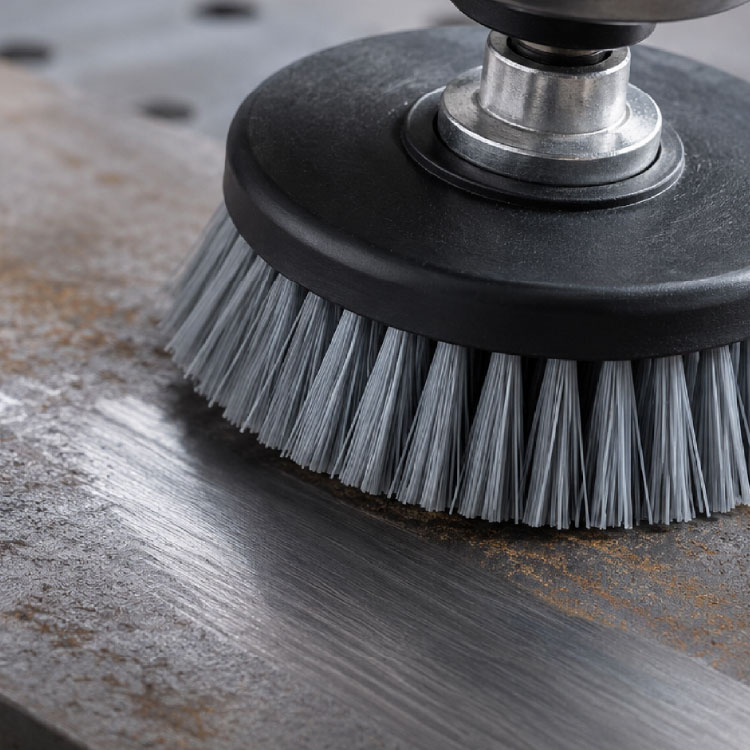
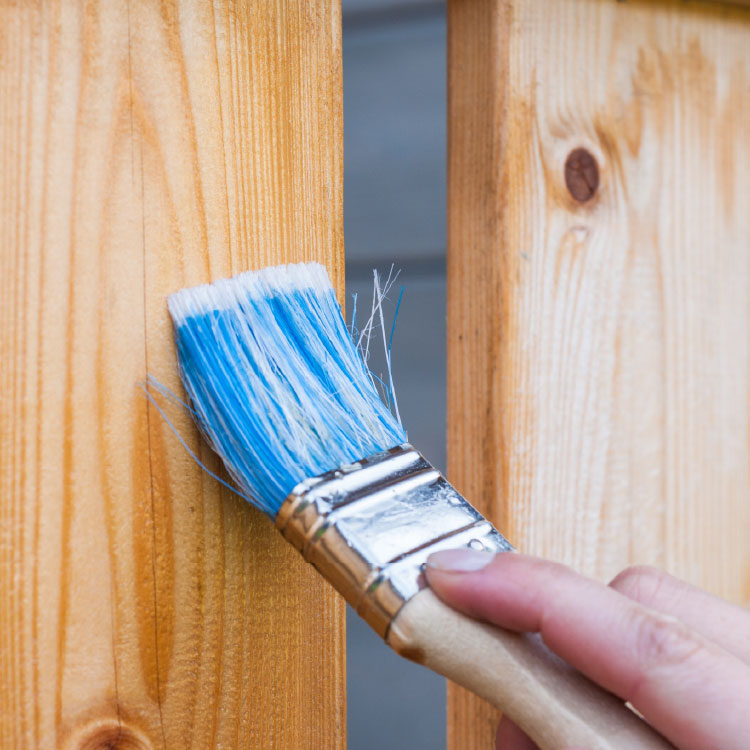
From everyday cleaning brushes to demanding industrial applications, BrushMake help customers match filament characteristics with real working conditions.
Get the Right Filament for Your Next Project
Contact us today for samples, recommendations, and technical support

- Free Design

- Get Samples

- Overall Application Solution

- Free Quotation
Get a Quick Solution
Let you fully understand its performance and application advantages before placing an order
- Quick Quotation
- *Full Name
- *Phone
Need Assistance?
We understand that choosing the right product for your industry is critical. That’s why we invite you to contact us. Whatever your goals, BrushMake will help you achieve them.
Learn MoreDo You Need Innovative Solutions?
We have a strong team that works closely with customers to meet market challenges and effectively meet specific needs. Our slogan is "Economical, Time-Saving, and Effortless Management" to help you gain the trust of customers in the industry.
Start Customizing