Why Choose PA612 Brush Filament for Wet Environments?
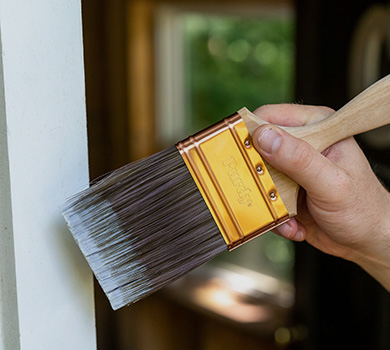
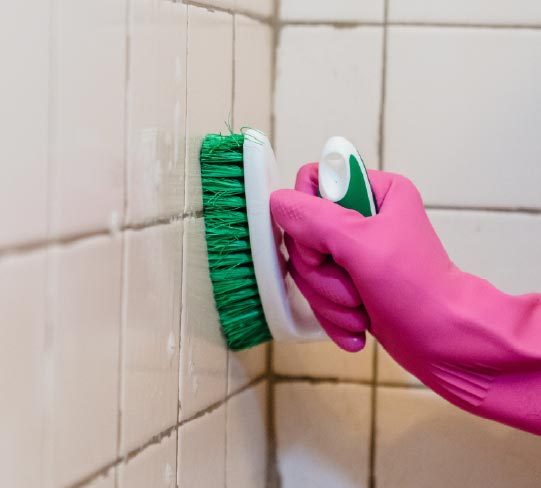
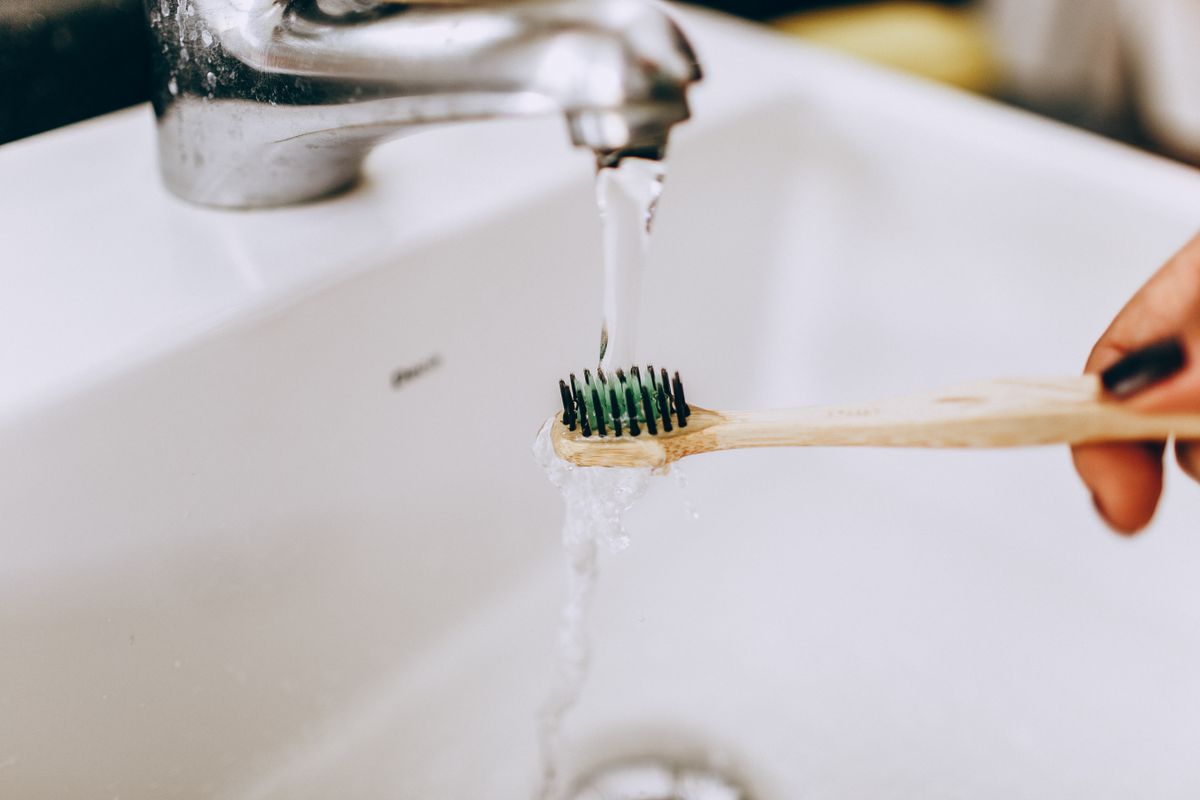
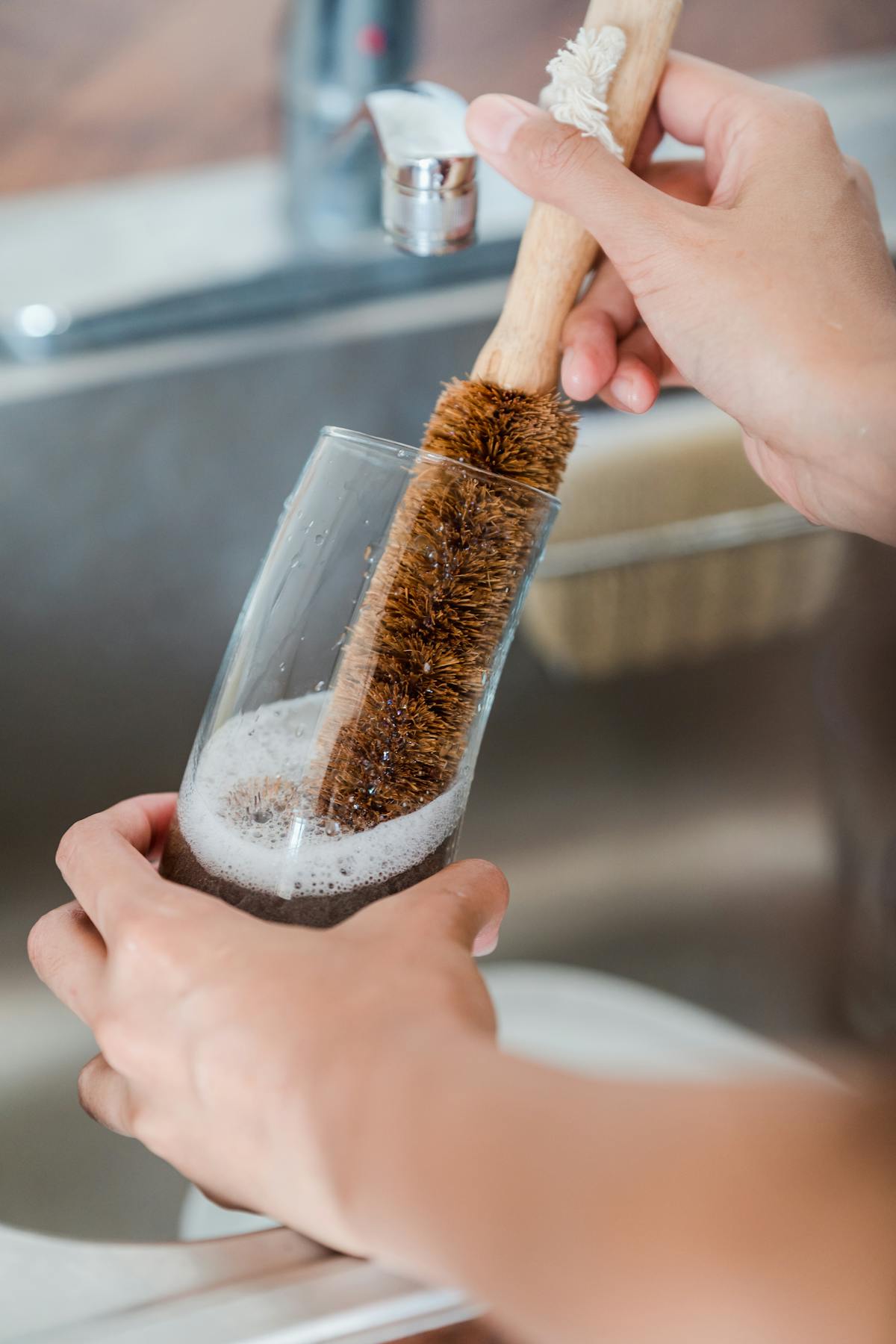
In wet environments, nylon bristles tend to soften after absorbing water, and their elastic recovery also decreases. Compared with PA6 and PA66, PA612 has longer carbon-chain segments and lower water absorption, allowing the filament to maintain its performance after repeated washing, spraying, or immersion. This is the main reason PA612 brush filament is commonly used in oral-care, food-cleaning, tube-cleaning, and other wet-use brushes. However, PA612 is not completely waterproof, and actual performance must still be verified in relation to water temperature, chemical media, and brush construction. Nylon contains polar amide groups that attract moisture. Absorbed water increases molecular-chain mobility and creates a plasticizing effect, so nylon bristles bend more easily when wet, while their dimensions and recovery behavior also change. This change may be beneficial for gentle cleaning; however, if the brush design does not have sufficient stiffness, cutting or brushing efficiency will decrease. PA612 has longer hydrocarbon chains between its amide groups, so it has fewer moisture-attracting groups per unit chain length than PA6 or PA66. It absorbs less water and maintains its dimensions more consistently. The following data come from a third-party brush-material guide and are intended to illustrate relative performance, not to guarantee that all commercial filaments have the same values. The reported values show that PA612 has a much lower moisture level than PA6 and PA66. The wet/dry ratio also indicates that PA612 has the smallest loss in a humid environment. Brushes are filled by volume, so lower-density filament means that slightly less material weight is required for the same fill volume. PA612 has lower moisture absorption than PA6 and PA66 and can maintain filament dimensions, working stiffness, and elastic recovery relatively consistently after repeated wetting. However, this does not mean it is suitable for every wet-use brush. When selecting an alternative, the question should not simply be “which material is better,” but whether the finished brush primarily needs control over cost, stiffness, water absorption, chemical resistance, or service life. If a brush must maintain relatively stable working pressure, dimensions, and recovery after repeated wetting, PA612 remains a material worth evaluating first. If the application places greater emphasis on price, extremely low water absorption, dry stiffness, heat resistance, or resistance to specific chemicals, PA6, PA66, PBT, PET, PP, PA11, or PA12 may be more suitable. Final selection should be confirmed by testing actual filament and finished brushes rather than relying only on a material datasheet. The final performance of PA612 brush filament depends not only on the material, but also on filament diameter, length, filament form, water temperature, and chemical medium. BrushMake helps customers determine specifications according to the brush application and actual working conditions rather than simply recommending a generic material. BrushMake provides PA612 brush filament in diameters of 0.05–1.2 mm and supports straight filament, crimped filament, custom lengths, colors, and cross-sections. We value diameter tolerance, color consistency, and batch stability, and support sample-based tufting, immersion, and finished-brush testing to help customers verify wet stiffness, recovery, and production compatibility before mass production.Why Water Affects Nylon Bristles
Data Comparison
Reported Item
PA6
PA66
PA612
Moisture content at 50% RH
2.7%
2.5%
1.3%
Moisture content at 100% RH
9.5%
8.5%
3.0%
Wet/dry filament modulus ratio
0.50
0.35
0.72
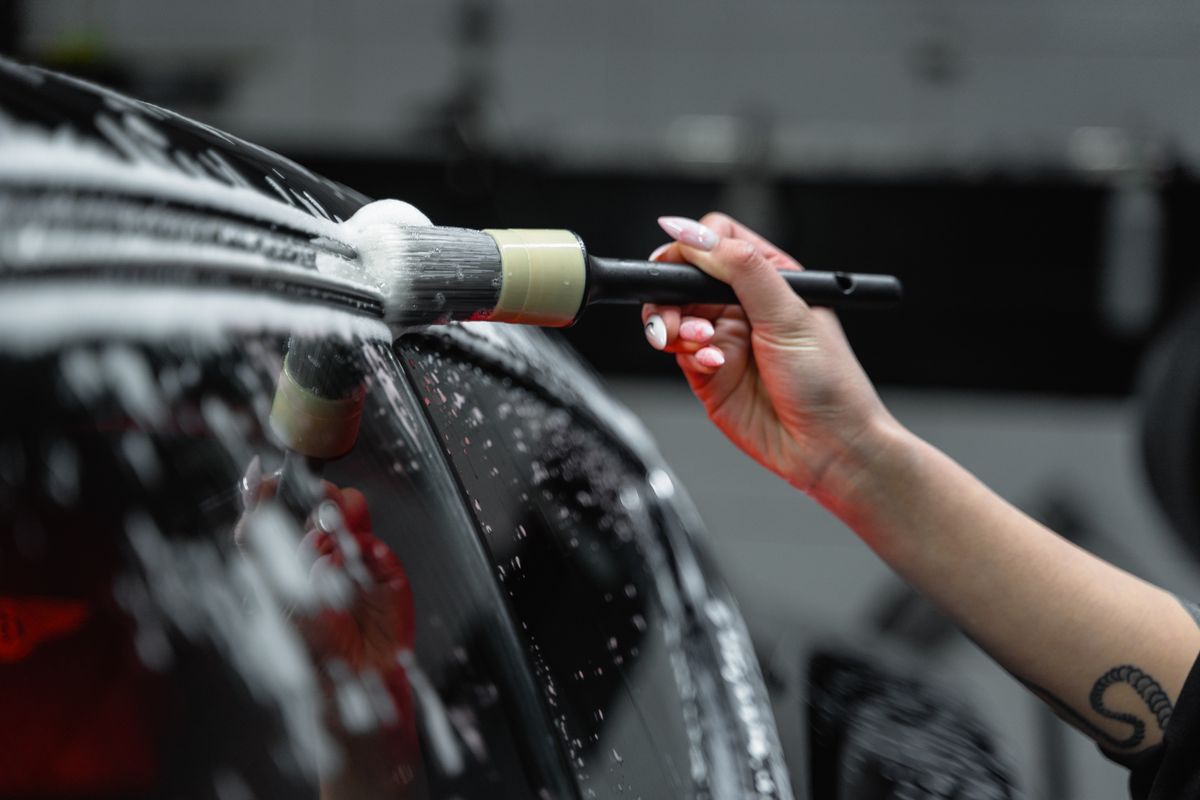
Which Brushes Are Suitable for PA612?
Advantages, Limitations, and Alternative Materials
Main Limitations of PA612
When to Consider Alternative Materials
Application Requirement
Material to Consider
Reason for Selection
Control cost while maintaining toughness and wear resistance
PA6
Suitable for ordinary cleaning and industrial brushes that are not sensitive to wet-state dimensional changes
Require higher dry stiffness or heat resistance
PA66
Can provide stronger support, but stiffness changes after moisture absorption must be verified
Require extremely low water absorption and stable wet stiffness
PBT
Suitable for toothbrushes, cosmetic brushes, and fine brushes that remain in contact with water for long periods
Prioritize economy and dimensional stability
PET
Suitable for brooms, floor brushes, and general cleaning brushes, although recovery and fatigue resistance must be evaluated together with the brush structure
Require low moisture absorption, low cost, and resistance to multiple chemicals
PP
Suitable for acid/alkali cleaning or general industrial environments, but stiffness recovery and wear resistance may be lower than those of engineering nylons
Why Choose BrushMake PA612 Brush Filament?