
- Choosing the Right Material Without Guesswork
PP, PET, and PE offer different combinations of stiffness, flexibility, durability, and chemical compatibility. Without a clear understanding of application requirements, manufacturers may select a filament that fails to deliver the expected cleaning performance.

Together We Craft Competitive Brushes
Cleaning Brush Filament Solutions
From material selection to performance optimization, BrushMake helps cleaning brush manufacturers balance cleaning efficiency, chemical compatibility, durability, and production cost. Choose the right PP, PET, or PE filament for your application and develop more competitive cleaning brushes with confidence.Request Free Samples
Home / Cleaning Brush Solutions
Industry Challenges in Cleaning Brush Manufacturing
Different cleaning tasks demand different filament performance. The wrong material choice can increase production costs, shorten brush life, and weaken product competitiveness.
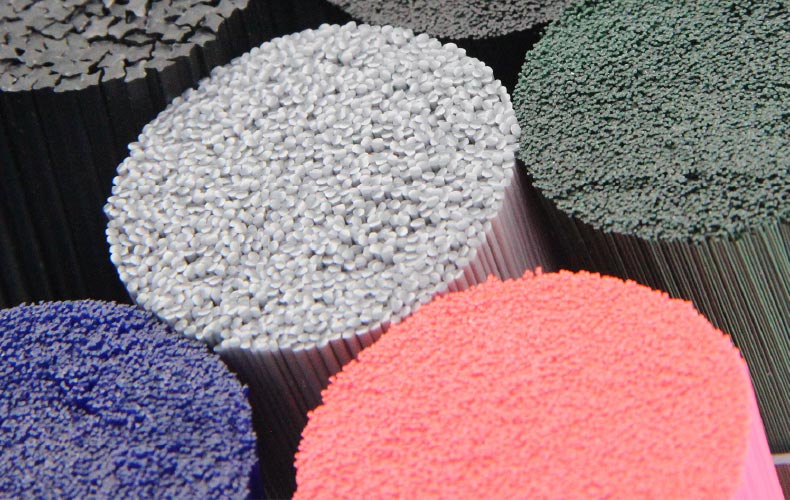

- Balancing Cleaning Performance and Production Cost
Lower material cost does not always mean lower total cost. Poor wear resistance, excessive filament consumption, or inconsistent brush performance can increase replacement frequency and reduce product value.
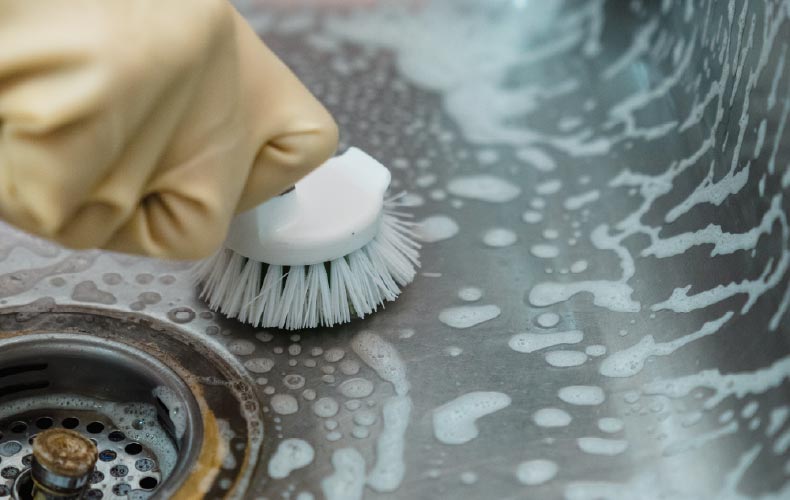

- Maintaining Performance in Chemical Environments
Detergents, cleaning solutions, moisture, and repeated exposure can affect filament performance differently. Manufacturers need to evaluate material compatibility under actual working conditions rather than rely on general chemical-resistance claims.
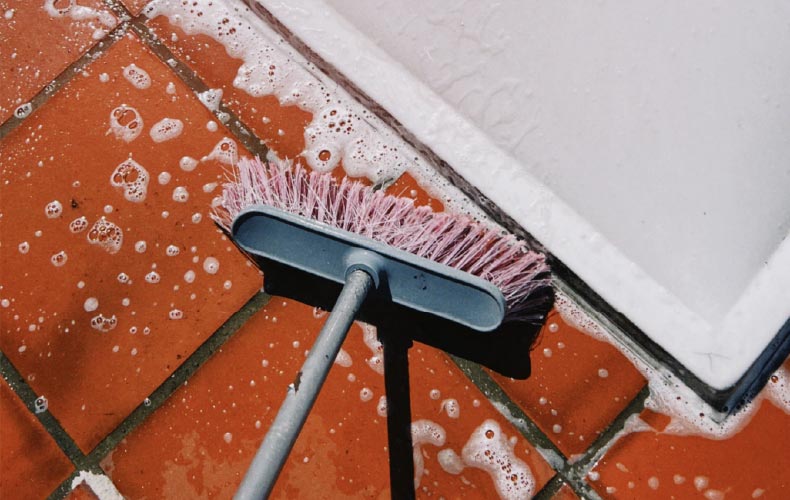

- Keeping Brush Performance Consistent After Repeated Use
Filaments that lose stiffness, bend permanently, or wear too quickly can reduce cleaning efficiency over time. Stable shape retention and suitable filament dimensions are important for reliable finished-brush performance.
BrushMake's Cleaning Brush Filament Solution
BrushMake combine material selection, filament structure, and application-driven performance design to help manufacturers develop cleaning brushes that meet real market needs.
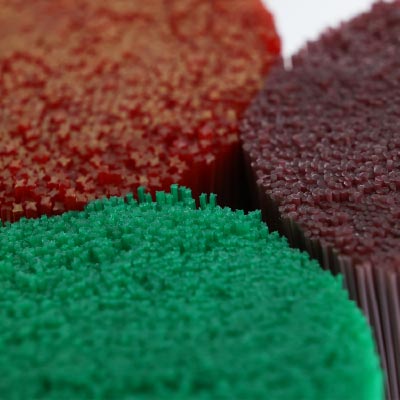
Choose Materials Based on Cleaning Conditions
We evaluate the cleaning surface, target debris, moisture exposure, chemical contact, and expected service life to recommend suitable PP, PET, or PE filament options. This helps reduce material-selection guesswork and align filament performance with your product positioning.
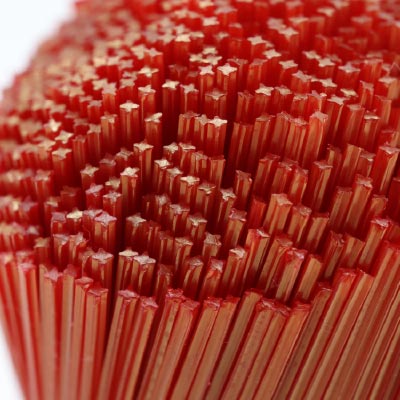
Optimize Filament Structure for Effective Cleaning
Filament diameter, stiffness, flexibility, shape, and cut length influence brush contact, debris removal, and manufacturing compatibility. We help identify suitable specifications based on brush design and cleaning requirements.
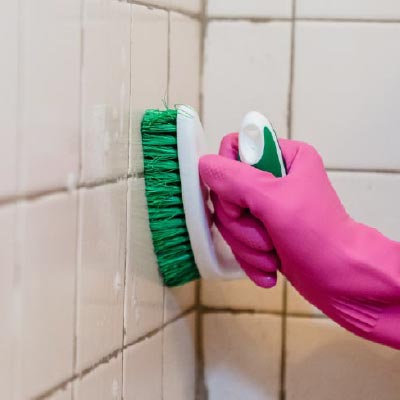
Balance Durability with Cost-Performance
We help manufacturers focus on the performance they actually need instead of paying for unnecessary material properties. The goal is to balance material cost, cleaning effectiveness, wear resistance, and expected service life for a more competitive finished brush.
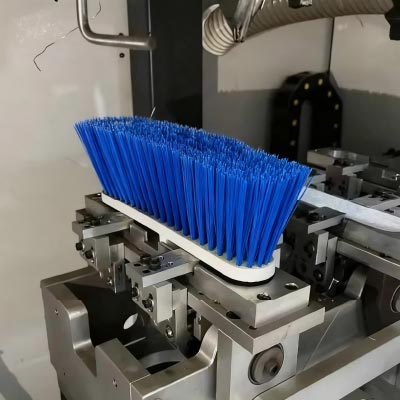
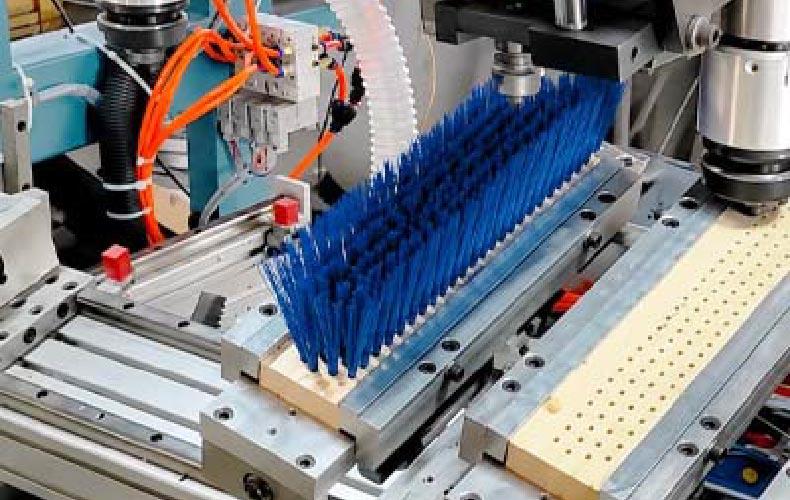
Match Filament Performance to Production Requirements
Brush performance also depends on how the filament works with your tufting, filling, trimming, and assembly processes. Appropriate specifications and sample testing help manufacturers evaluate processing compatibility before moving to mass production.
Recommended Material
Which Filament Fits Your Brush?
Compare PP, PET, and PE by cleaning performance, chemical compatibility, and cost-performance to find the right fit for your brush application.Get Free Sample
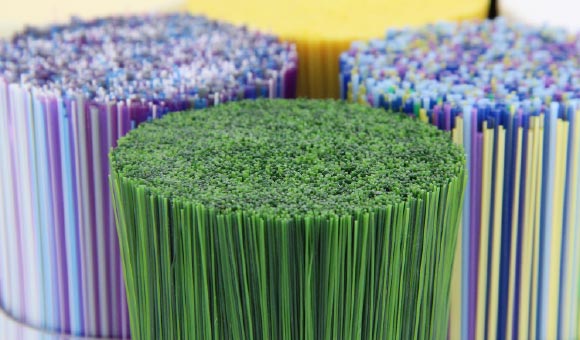
Balanced Performance Solution
- Material:
- PET
- Key Benefits:
- · Stiffness for Effective Scrubbing
· Wear Resistance
· Cost-Performance Balance
- Features:
- Designed for cleaning brushes that need a balance of stiffness, wear resistance, and cost-efficient service life.
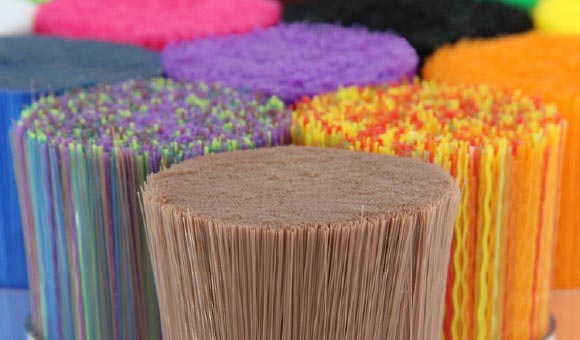
Economical Solution
- Material:
- PP
- Key Benefits:
- · Cost-Efficient Production
· Lightweight Design
· Practical Chemical Compatibility
- Features:
- A practical choice for high-volume cleaning brushes where cost control, low weight, and basic cleaning performance are the primary priorities.
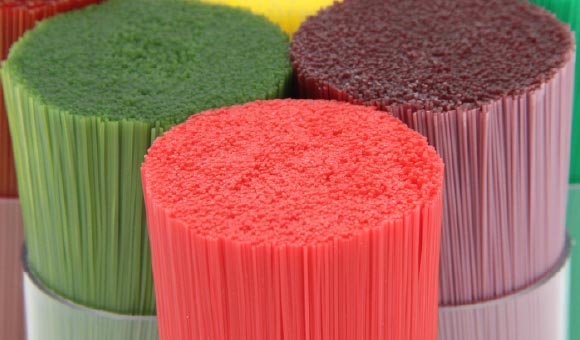
Flexible & Chemical-Compatible Solution
- Material:
- PE
- Key Benefits:
- · Flexible Contact
· Chemical Compatibility
· Economical Material Choice
- Features:
- A suitable option for gentle cleaning applications where flexibility, selected chemical resistance, and economical production matter more than strong scrubbing force.
Performance Optimization
Optimize Cleaning Brush Performance Around Your Product Goals

Stiffness & Cleaning Force
Match filament stiffness to the surface being cleaned and the amount of force required. Suitable stiffness helps remove debris effectively without making the brush unnecessarily aggressive or difficult to use.

Wear Resistance & Service Life
Select materials and filament specifications according to surface roughness, contact pressure, and cleaning frequency. The right combination can help reduce premature wear and maintain useful cleaning performance for longer.
Flexibility & Shape Recovery
Balance filament flexibility with its ability to recover after bending. Suitable filament selection helps maintain brush contact and working shape during repeated use.

Chemical Compatibility
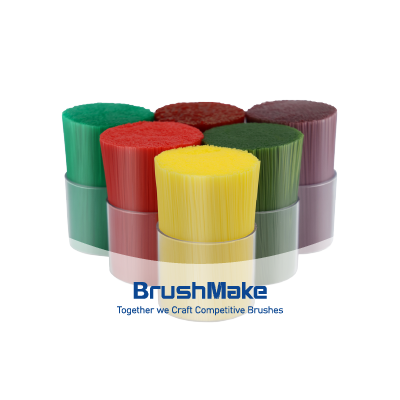
Evaluate filament suitability against the actual detergent, cleaning solution, concentration, temperature, and contact duration. Where necessary, test samples under representative working conditions before confirming the material choice.

Filament Diameter & Structure
Adjust filament diameter, cross-section, shape, and cut length to suit the brush design and target cleaning task. These parameters influence stiffness, surface contact, debris removal, and compatibility with brush-making equipment.

Cost-Performance Optimization
Consider raw material consumption, expected service life, cleaning effectiveness, and manufacturing efficiency together. A cost-effective solution is the one that meets the required performance without unnecessary material expense or premature product failure.
Customization Capabilities
Customize Cleaning Brush Filaments for Your Product Requirements
From material selection to filament specifications, we help align cleaning performance, chemical compatibility, and manufacturing requirements with your target market.
Material Selection for Specific Applications
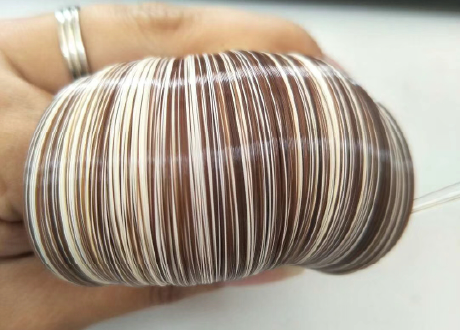
Recommend PP, PET, or PE based on the cleaning surface, debris type, moisture exposure, chemical contact, and target product cost. This helps reduce unnecessary trial and error during product development.
Diameter & Stiffness Adjustment
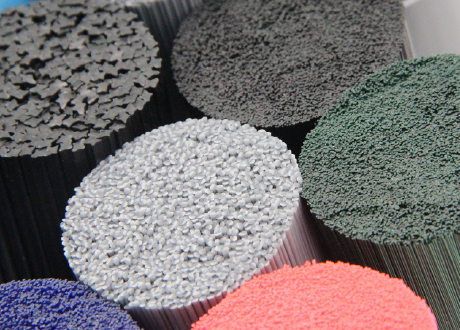
Customize filament diameter and suitable stiffness levels to match brush structure, contact pressure, and cleaning force. The objective is to achieve the required performance while maintaining practical processing and material consumption.
Filament Shape & Cut Length
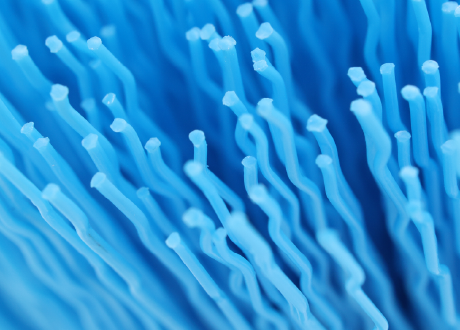
Provide suitable straight or crimped filament options and customized cut lengths according to brush design and production requirements. These specifications help manufacturers improve brush filling, filament distribution, and product consistency where applicable.
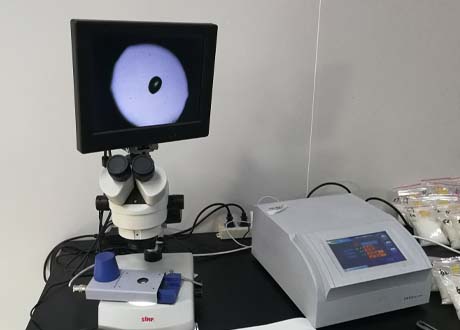
Color & Appearance Customization
Customize filament colors to match your product design, brand identity, and market positioning. Consistent color requirements help maintain a coordinated appearance across production batches.
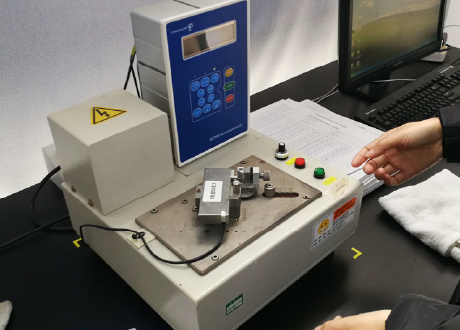
Performance-Oriented Material Evaluation
For applications involving cleaning agents or demanding working conditions, review the actual operating environment and identify suitable materials for testing. Sample evaluation helps verify compatibility before a full production commitment.
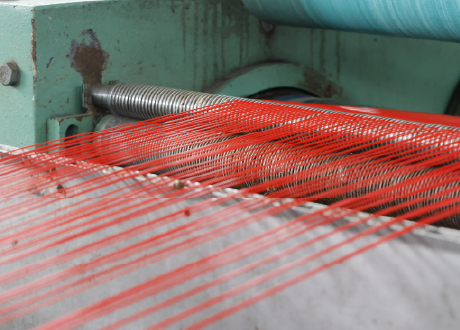
Packaging & Production Compatibility
Discuss packaging format, filament length, handling requirements, and manufacturing process before order confirmation. Matching delivery specifications to your production workflow can help simplify material handling and improve operational efficiency.
Cleaning Brush Filament Solutions for Different Applications
Match filament materials and specifications to the cleaning task, working environment, and target product performance.
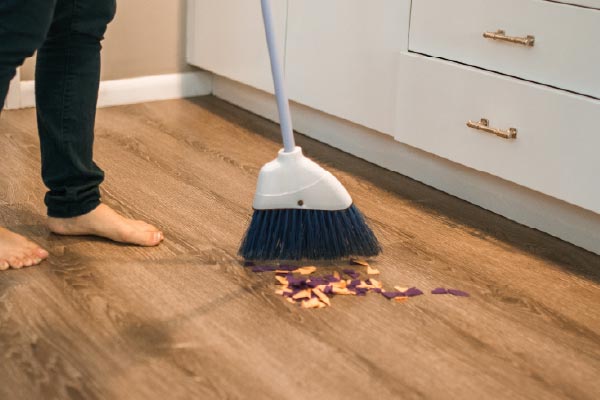
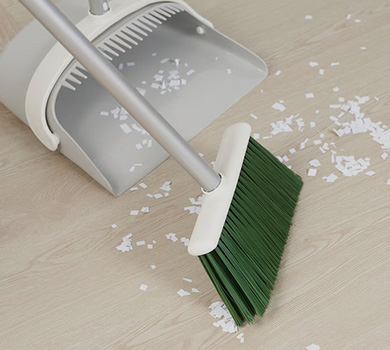
Everyday Floor Cleaning Brush
Application:
Household and commercial floor brushes used on common hard-floor surfaces.
Common Challenges:
Manufacturers need sufficient cleaning contact and durability without increasing product cost unnecessarily.
Filament Solution:
· Consider PP for cost-sensitive designs
· PET where greater stiffness and wear resistance are required
· Fine-tune diameter and stiffness according to floor type and cleaning intensity.Recommended Options
PP / PET
Get Expert Recommendation
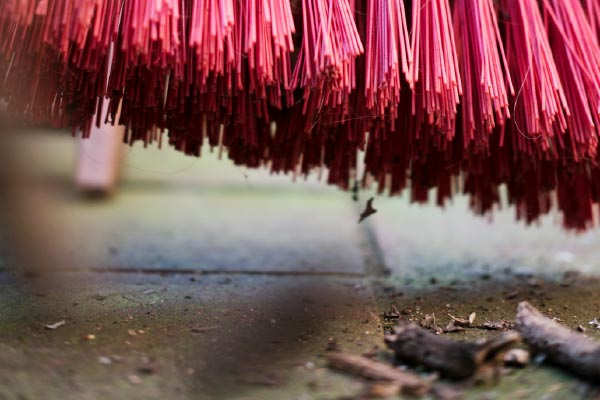
Heavy-Duty Cleaning Brush
Application:
Outdoor floor brushes, garage brushes, patio cleaning tools, and brushes used on rough surfaces.
Common Challenges:
Repeated contact with abrasive surfaces can accelerate wear and reduce effective brushing performance.
Filament Solution:
· Consider PET when stronger brushing action and wear resistance are priorities.
· Evaluate PP for cost-sensitive designs where its performance is sufficient for the intended task.Recommended Options
PET / PP
Get Expert Recommendation
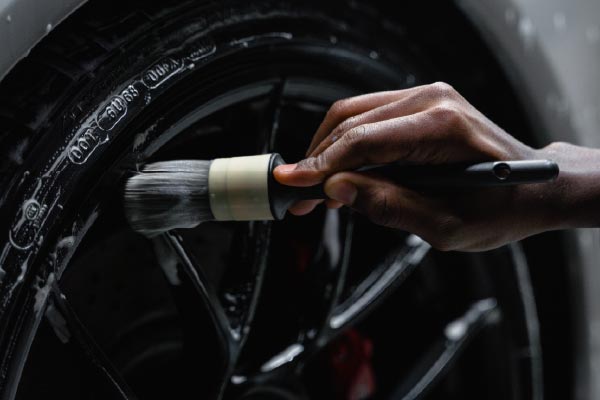
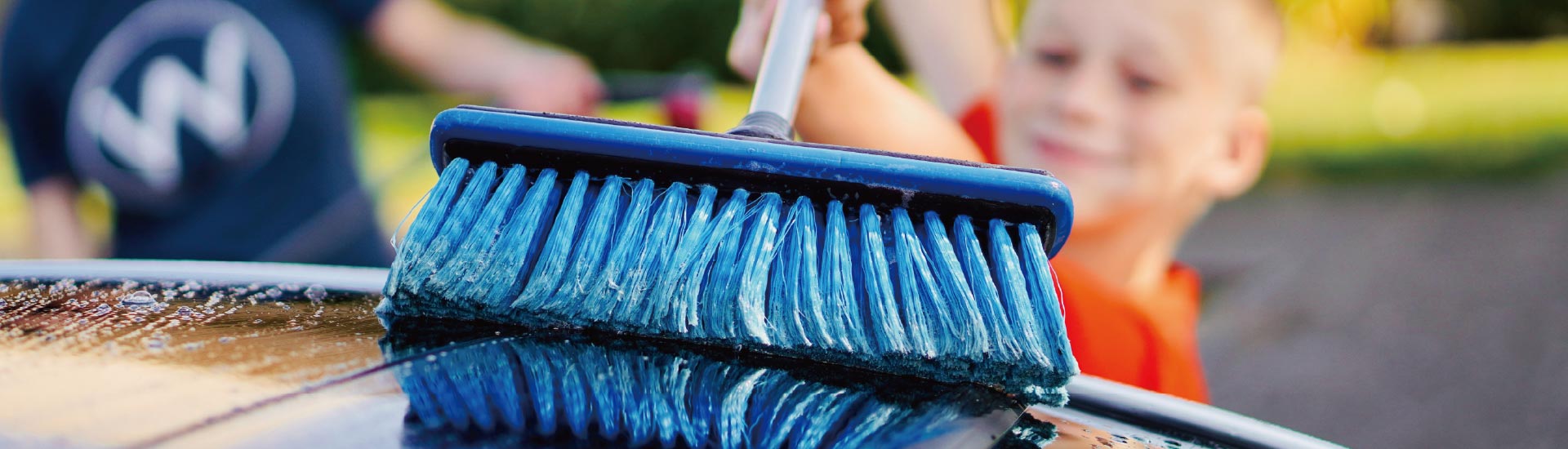
Vehicle Cleaning Brush
Application:
Brushes for vehicle exteriors and other surfaces requiring controlled cleaning contact.
Common Challenges:
The brush must remove dirt effectively while limiting the risk of scratching or damaging the surface.
Filament Solution:
· Select material, filament diameter, and flexibility according to the surface finish and cleaning method.
· Consider softer filament configurations and validate them on representative surfaces before production.Recommended Options
PP / PE
Get Expert Recommendation
Get the Right Plastic Brush Filament for Your Project
Tell us your brush application, material preference, required specifications, or estimated order quantity. We’ll help you identify a suitable filament option and discuss samples and pricing.

- Free Design

- Get Samples

- Overall Application Solution

- Free Quotation
Get a Quick Solution
Let you fully understand its performance and application advantages before placing an order
- Quick Quotation
- *Full Name
- *Phone
Need Assistance?
Not sure which filament material fits your brush? Share your application or current sample, and our team can help you evaluate suitable options.
Get Material AdviceLooking for a Custom Brush Filament Solution?
Work with BrushMake to explore suitable materials and specifications for your brush manufacturing needs.
Discuss Your Requirements