






How Brush Filament Diameter Tolerance Affects Tufting Efficiency?
Uneven brush filament diameter affects feeding stability, brush hole filling, and tuft consistency. It also increases breakage risk during tufting, contributing to equipment wear, fewer acceptable brushes, and substantially higher production costs. Consistent diameter helps maintain smooth feeding and good tufting results. This article explains how uneven diameter affects feeding, tufting quality, and production efficiency, and how diameter measurement and tolerance control can reduce quality differences between batches.
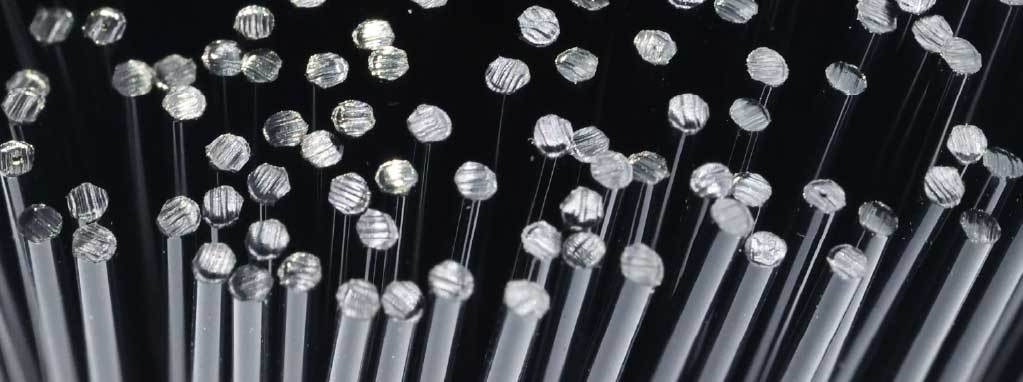
Sources of Brush Filament Diameter Variation
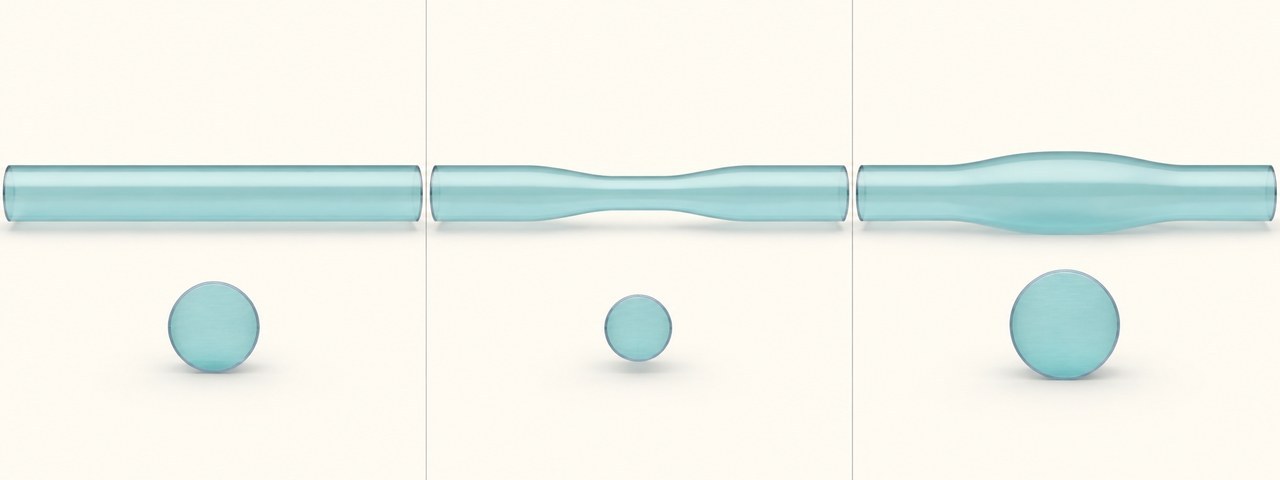
The final diameter of a brush filament is not determined by die hole size alone. It also depends on the balance between melt output and the speed of pulling and drawing. When materials and other conditions are similar, increasing melt output while keeping pulling speed unchanged generally makes filaments thicker. Keeping output unchanged while increasing pulling speed makes them thinner. When this balance fluctuates during production, thickness can vary along the length of the same filament.
The main causes include:
- Unstable raw materials: Changes in the material blend or insufficient drying can make the melted material flow unevenly, affecting filament thickness.
- Uneven output: When material feed rises and falls, or processing temperature fluctuates, the extruded filaments can vary in thickness.
- Different die hole conditions: Worn or blocked die holes allow different amounts of material through, creating diameter differences between individual filaments.
- Uneven cooling: Different sections may cool and shrink at different rates, changing thickness or making the cross section less round.
- Unstable drawing: During drawing, sections stretched more usually become thinner, while sections stretched less remain thicker.
Simply put, stable materials, output, cooling, and drawing make diameter easier to control. See the primary target page for related manufacturing controls.
Extrusion, Cooling, and Cutting: Process Controls
After understanding why diameter varies, consider how production can reduce those changes. The goal is not merely consistent thickness, but also stable performance during picking and tufting.
- Stabilize output, cooling, and drawing: Matching output with drawing speed helps prevent thickness fluctuations. Uniform cooling and suitable heat setting help filaments retain shape, reducing subsequent shrinkage and bending.
- Keep cuts clean: Once thickness is stable, filaments also need consistent lengths and clean ends. Worn blades or incorrect handling can deform ends and create debris, interfering with picking. Feeding problems are therefore not always diameter problems.
- Choose suitable materials: Even at identical thickness and length, different materials can have different breakage resistance and bending recovery. Consider suitability for the brush application and production equipment, not dimensions alone.
Together, these controls lay the foundation for stable tufting.
How Brush Filament Diameter Affects Tufting Efficiency
Diameter affects how many filaments the machine picks and whether the tuft enters the hole smoothly. Consistent thickness makes continuous production under unchanged settings easier; greater variation makes picking and insertion less stable.
During picking, machines that collect filaments within a fixed space generally pick fewer strands when those strands are thicker. Thinner filaments may allow more strands into the same space. If thickness varies within a batch, each picked tuft may differ, affecting the fullness of finished tufts and increasing the need for machine adjustments and inspections.
During insertion, when the number of strands is similar, thicker filaments make the tuft occupy more space. Resistance as it enters the hole may increase, causing difficult insertion, jams, or filament damage. Thinner filaments may leave the tuft underfilled and affect how securely it is held. Diameter changes therefore affect not only smooth machine operation, but also quality after tufting.
These problems reduce production efficiency: jams require cleaning stops, inconsistent tufts require adjustments, and inadequate filling or retention can require rework. Consistent diameter is not simply about matching appearance; it reduces interruptions and helps equipment keep producing acceptable brushes.
Causes of Filament Breakage During High Speed Tufting
During high speed tufting, filaments must be picked, bent, and inserted in rapid succession. If a single filament varies in thickness along its length, a locally thinner section may become a weak point where breakage is more likely. When materials and other conditions are similar, that thinner section can withstand less pulling force and is more easily damaged when pulled or bent.
Thicker filaments may also increase the risk of breakage. When the number of strands in a tuft and the hole size are similar, thicker strands make the tuft more crowded. Resistance and compression during insertion may then increase. Continuing to run at high speed with the original settings can lead to jamming, filament damage, or even breakage.
Diameter consistency therefore reduces local weak points and makes forces during picking and insertion more consistent. When breakage occurs, check whether fractures concentrate at thin sections or whether thicker strands show jamming and compression marks. Equipment wear and tension can also cause breakage; speed alone does not identify the cause.
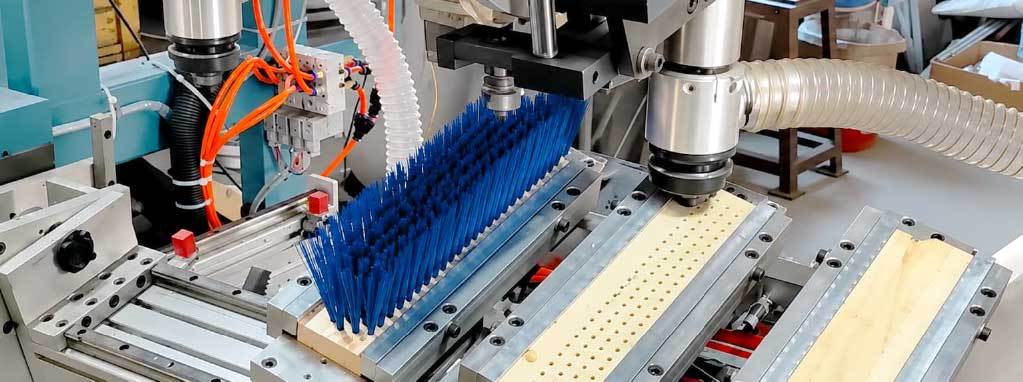
Reducing Production Waste Through Filament Matching
Breakage and jams interrupt production and create waste and rework. Reducing these losses means matching the diameter range to the picking mechanism and hole size, rather than simply pursuing tighter tolerances.
Choosing suitable filaments takes more than deciding whether samples look roughly the same thickness. A practical approach is to run a small production trial with unchanged machine settings. Observe whether picking stays stable, insertion remains smooth, and the tufts are full and securely held. If repeated adjustments are needed, or breakage and rejected brushes occur frequently, reconsider how diameter fits the equipment rather than simply turning up the speed.
BrushMake considers not only thickness, but compatibility with your tufting process. From diameter selection to specification confirmation, we combine hole dimensions, picking methods, and trial feedback in a brush solution suited to your production needs. Identifying and resolving mismatches during small trials helps reduce adjustments, waste, and rework in volume production.
After confirming compatibility, check that subsequent batches remain consistent. Diameter inspection and sampling help identify changes before unsuitable filaments enter production.
In Process Inspection and Sampling
Once filaments are selected, confirm that later batches maintain consistent thickness. Inspection and sampling aim to detect potential jams, breakage, or uneven tufts before filaments enter the machine.
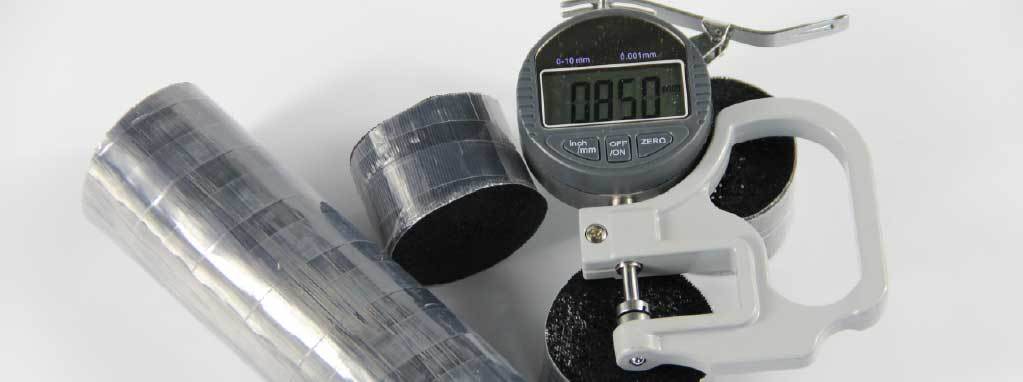
Use calibrated instruments suitable for filaments and keep measurement conditions consistent. Measure different strands and different positions along each strand. For noncircular sections, measure from different directions so one reading does not hide variation.
Sampling should not be limited to one bundle or filaments at the outside of a package. Take samples from different packages and positions within the same batch, record actual diameters, and check whether they exceed the agreed range. Do not look only at the average: watch for individual filaments that are noticeably thicker or thinner. If something is abnormal, segregate the relevant material and measure it again. Confirm the cause before deciding whether it should enter production.
Batch acceptance sampling can follow ISO 2859-1, but buyer and supplier must agree diameter requirements; acceptance does not mean every filament is free from deviation. BrushMake's quality assurance covers raw materials, production, and finished batches, identifying changes early rather than waiting for tufting problems.
Connect inspection records with production performance. Reviewing diameter changes alongside jams, breakage, and acceptable output helps identify changes affecting tufting efficiency.
What Data Should Automated Tufting Track?
After measuring diameter, observe machine performance. Faster running does not necessarily mean higher efficiency; fewer jams and breaks, with continuous acceptable output, matter more. These records help reveal whether diameter variation affects tufting.
| Data to record | What it helps establish |
|---|---|
| Target diameter, permitted range, actual readings | Thick or thin strands and consistency between bundles |
| Jams, breaks, and downtime | Feeding and insertion reliability; production time lost |
| Tuft uniformity, fullness, and retention | Compatibility between diameter, picking settings, and holes |
| Acceptable brush count and waste | Whether increased output also increases rejects and waste |
| Filament batch, machine settings, blade changes | Whether problems follow material, setting, or blade changes |
Compare batches using consistent measurement conditions and machine settings. Compare faults over equal running times or tufting counts, avoiding the misleading conclusion that longer operation means poorer performance simply because more faults occurred.
These records should not be limited to the first production trial. For every subsequent batch of brush filaments, compare inspection results and operating performance with the previously approved samples and production records. This makes it easier to identify changes as they appear and helps reduce repeated machine adjustments and rework across entire batches.
Sourcing Brush Filaments from BrushMake
Good brush filaments should not only meet suitable specifications; they should also suit your production line. BrushMake offers customized choices in materials, diameter, length, and packaging, considering your brush design alongside your tufting requirements to make filament selection easier.
Our diameter tolerance is ±8% of nominal diameter, with attention to production control and batch consistency. From specification discussions to selection informed by trial feedback, BrushMake helps you find suitable filaments, laying the foundation for fewer adjustments, less waste, and less rework. [B]
FAQ: Production and Quality Troubleshooting
How does brush filament diameter affect tufting efficiency?
Thickness affects picking quantities and whether tufts enter holes smoothly. Unstable diameter can increase jams, adjustments, and rework; consistent thickness matched to the equipment supports continuous production.
What filament tolerance should buyers specify?
Specify target diameter and permitted variation, then confirm equipment suitability through trials. BrushMake's diameter tolerance is ±8%; discuss stricter requirements in advance for evaluation.
Can inconsistent diameter cause filament breakage during tufting?
Possibly. Locally thin sections are more vulnerable to pulling, while thicker strands may increase insertion compression and resistance. Check thickness around fractures and look for compression marks.
How should incoming filaments be inspected?
Sample different packages and bundles, measuring different strands and positions along each strand. Check length, cut ends, and appearance too. Look beyond averages; segregate and recheck noticeably thick or thin filaments.
What if compliant filaments still jam the machine?
Meeting supply specifications does not guarantee compatibility with current settings. Check picking quantity and tuft to hole fit, then cut ends, length, and equipment wear. Adjust one factor at a time to identify the cause.
Share your brush design, equipment details, and trial feedback with BrushMake, and let us help find a brush solution better suited to your production line.
Sources
[B] BrushMake specification supplied for this article: ±8% relative to nominal diameter. Dimensional examples are calculated from this input, not batch test results; they imply neither independent certification nor measured efficiency gains.
[Q] ISO, ISO 9001:2015, Quality management systems, Requirements. The publisher identifies this edition as withdrawn and identifies its replacement.
[A] ISO, ISO 2859-1, Sampling procedures for inspection by attributes. Replaces the unavailable original link in the writing requirements.
[D] ASTM, D638-14, Standard Test Method for Tensile Properties of Plastics. Historical edition; consider specimen geometry and applicability.
[W] ASTM, D570-98(2018), Standard Test Method for Water Absorption of Plastics.