PA612 for Industrial Cleaning and Roller Brushes
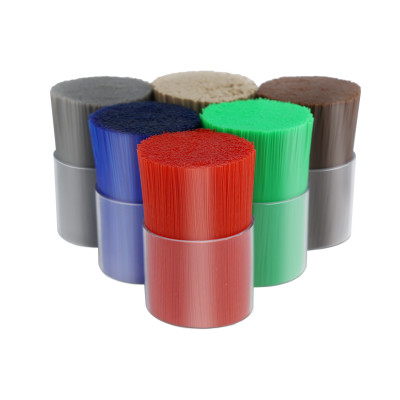
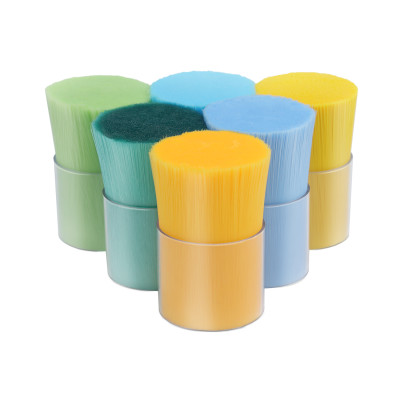
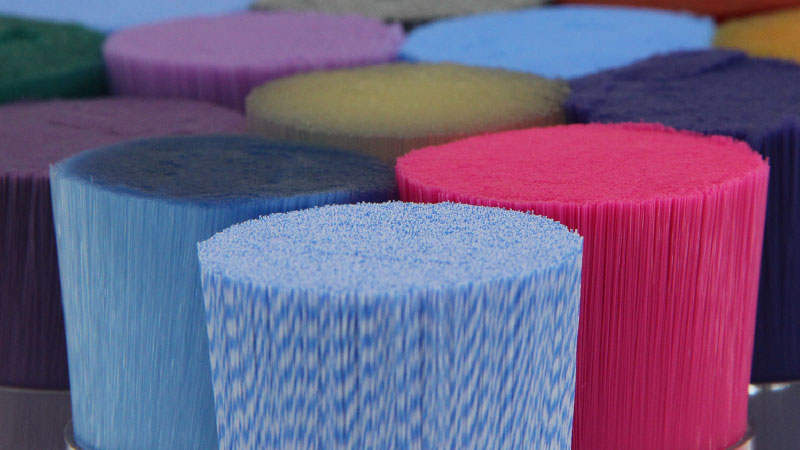
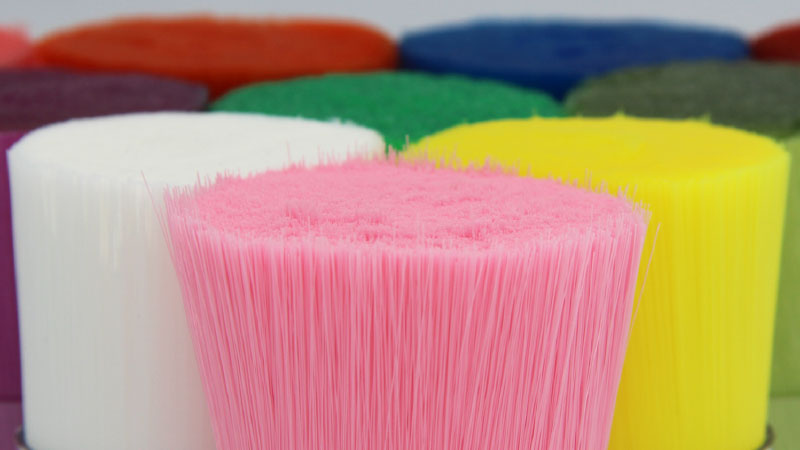
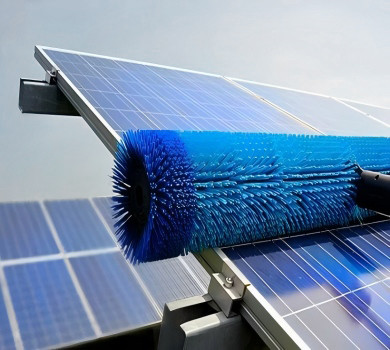
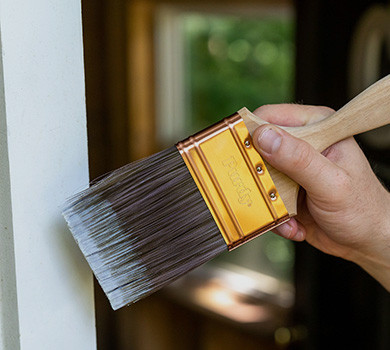
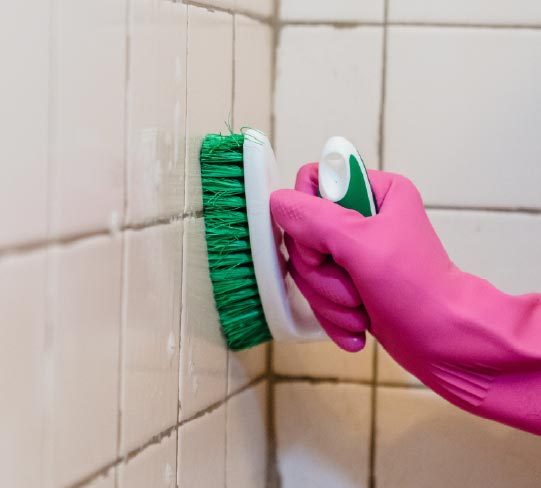
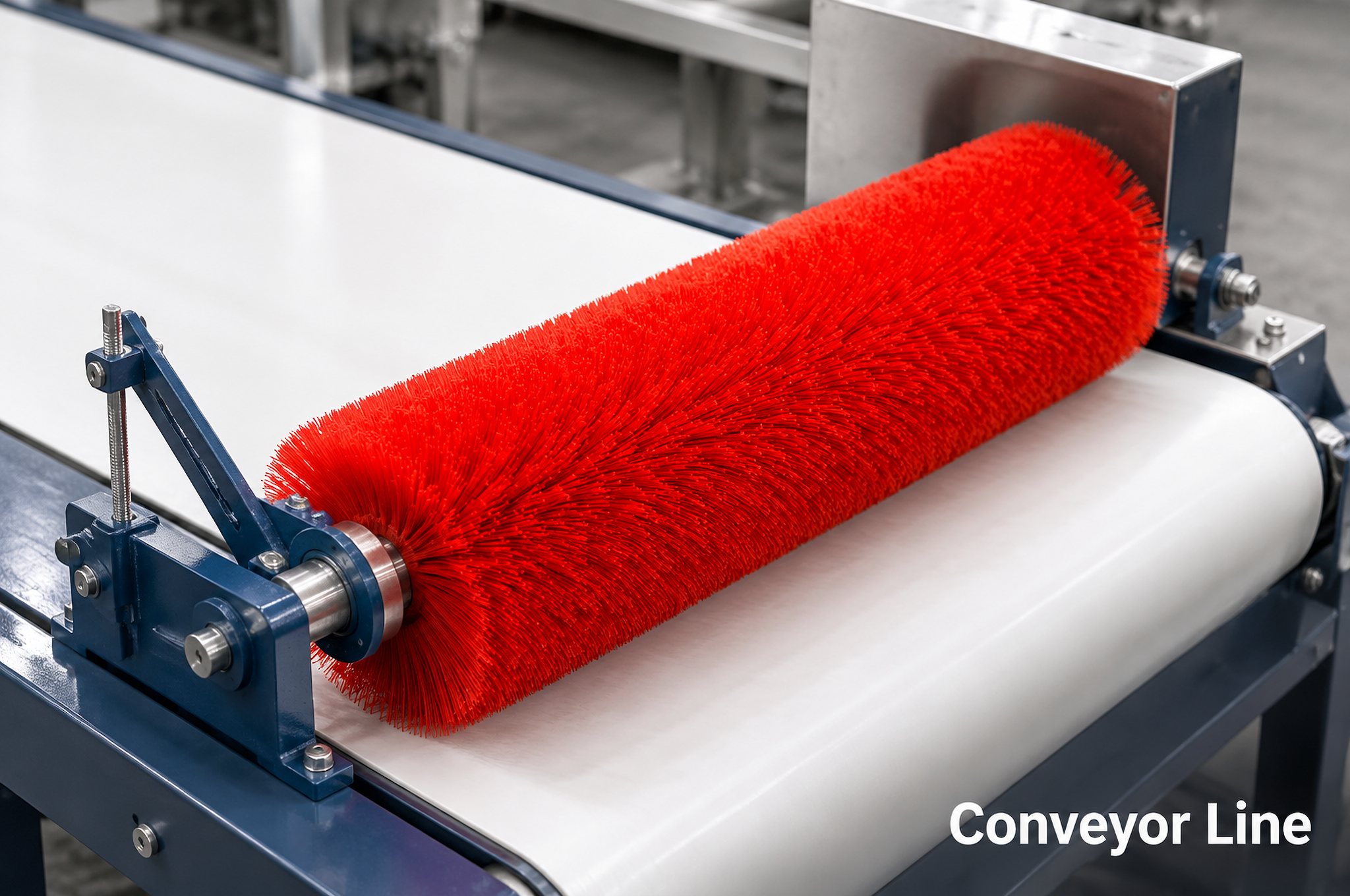
Industrial cleaning brushes and roller brushes bend and rub against surfaces thousands of times. If the filaments absorb too much water, stay bent, or wear unevenly, the brush face loses contact and cleaning becomes inconsistent. This is why nylon pa612 brush filament is often considered for demanding wet-cleaning systems. It combines low moisture sensitivity, bend recovery, and durable contact, but it must still match the brush design and real working conditions. PA612 has longer flexible chain sections and fewer water-attracting groups than PA6 or PA66. Put simply, it absorbs less moisture, stays elastic, and returns closer to its original position after pressure is removed. This helps a roller brush keep an even face and steady cleaning pressure. Filament that is too fine, too long, or overloaded can still stay bent, so recovery should be checked in the finished brush. Water softens nylon from the inside. PA612 attracts less water than common short-chain nylon, so changes in stiffness and size are usually smaller during washing, spraying, or wet/dry cycles. A properly designed nylon bristle brush cleaning system can therefore remain more consistent. PA612 is not waterproof: hot water, chemicals, or long immersion may still affect it. Test samples in the actual liquid. Learn more in Why Choose PA612 Brush Filament for Wet Environments?. PA612 combines toughness with a smooth surface, helping it resist early fraying and breakage. For a nylon bristle brush for cleaning glass, plastic, coated parts, or polished metal, the aim is controlled contact—not maximum hardness. Service life also depends on speed, pressure, dirt, trim length, edges, and chemicals. A useful trial records cleaning efficiency, surface condition, filament deformation, and wear after a set number of cycles. PA612 offers flexible, repeatable contact for removing residue. Confirm scratch risk on the actual glass, plastic sheet, or coating. An industrial nylon brush can remove loose residue, oil, or process dirt where flexible cleaning is preferred to grinding. Heavy rust may require abrasive-filled nylon. PA612 may suit belts exposed to water, oil, dust, food residue, or detergent. Confirm chemical compatibility and hygiene requirements. Diameter, trim length, density, and crimp determine whether an internal brush reaches curved walls without excessive drag. PA612 can be considered when wet equipment brushes need flexibility, repeated recovery, and a stable brush face. Continuous immersion adds seawater, deposits, torque, and energy-use concerns. Test wear, surface safety, chemical exposure, and machine load together. PA6, PA66, PA610, and PA612 can all be used in brush manufacturing, but they solve different problems. The table below gives a practical starting point for comparing these industrial brush filament options; final selection should still be confirmed in the complete brush and actual cleaning medium. PA612 is not automatically better than every alternative. A simple dry sweeping brush may not justify the added material cost, while a higher-temperature application may favor PA66. The correct choice is the filament that produces the required cleaning result, protects the workpiece, runs reliably in the machine, and offers an acceptable total operating cost. Choosing PA612 is not only about buying a polymer grade. Customers need to know whether the filament will be firm enough, whether it will soften after wetting, whether it will lean over during long use, and whether it will feed and tuft reliably on existing equipment. BrushMake helps turn these concerns into a testable, production-ready industrial brush nylon filament specification. For an industrial cleaning brush or roller brush project, BrushMake first reviews: Based on these conditions, BrushMake helps narrow the filament diameter, straight or crimped form, cut length, color, cross-section, and packaging. A roller brush needing stronger support may begin with a thicker filament or shorter trim. A brush that must follow an uneven or sensitive surface may need a finer filament, longer trim, or crimped form. These changes are considered as a system so that improving stiffness does not create excessive motor load, poor surface contact, or avoidable marking. For a new project, BrushMake recommends comparing samples in the real brush and cleaning medium before confirming volume production. Customers can measure cleaning efficiency, bend recovery, surface safety, wear, motor load, and processing stability. BrushMake also pays attention to diameter tolerance, color consistency, cut-length consistency, and batch stability to help reduce poor tufting, uneven brush faces, and performance variation between production lots. PA612 creates value only when the filament and brush design match the surface, contaminant, liquid, equipment, and expected service life. Send BrushMake your brush drawing or photo, working conditions, target dimensions, current problem, and estimated quantity. The team can help assess whether PA612 is appropriate, prepare a targeted sample, and discuss production and quotation details. View the BrushMake PA612 Brush Filament range or learn about BrushMake. Often, yes, when low moisture sensitivity and recovery are important. Final approval should use the actual liquid, temperature, brush geometry, and operating cycle. No. PA612 is useful when wet stability, recovery, and durable contact justify it. Another nylon may be better for high heat, simple dry cleaning, or a strict cost target. Straight filament gives more direct contact; crimped filament improves coverage and brush-face fullness. Prototype both when the choice is unclear.Why Is PA612 Considered for Industrial Cleaning Brushes?

1. Recovery After Repeated Bending
2. More Stable Performance in Wet Conditions
3. Wear Resistance for Continuous Contact
Which Industrial Cleaning Applications Can Use PA612?
Glass and Sheet Cleaning
Steel and Metal Cleaning
Conveyor Belt and Production Line Cleaning
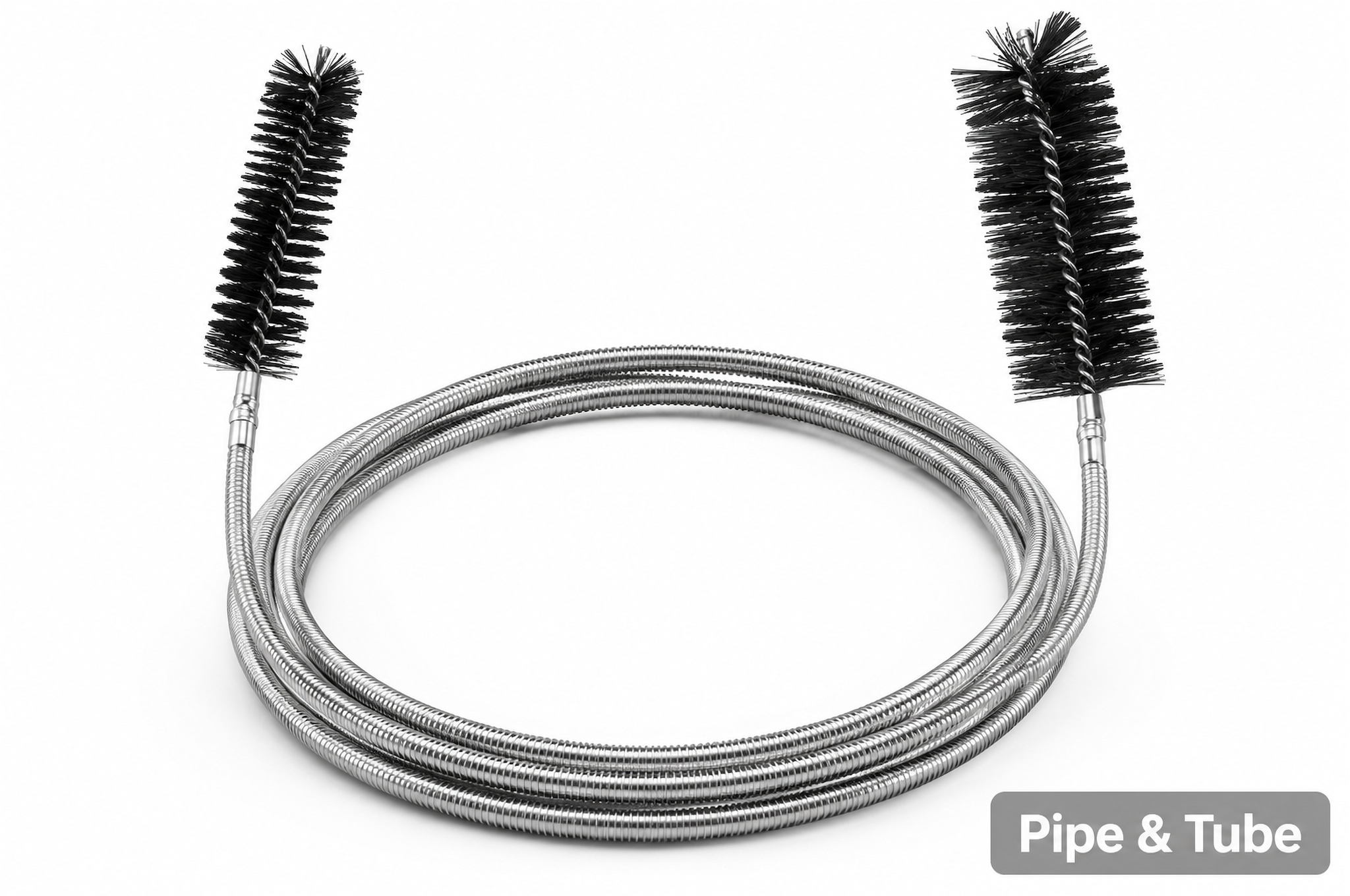
Pipe, Tube, and Internal Surface Cleaning
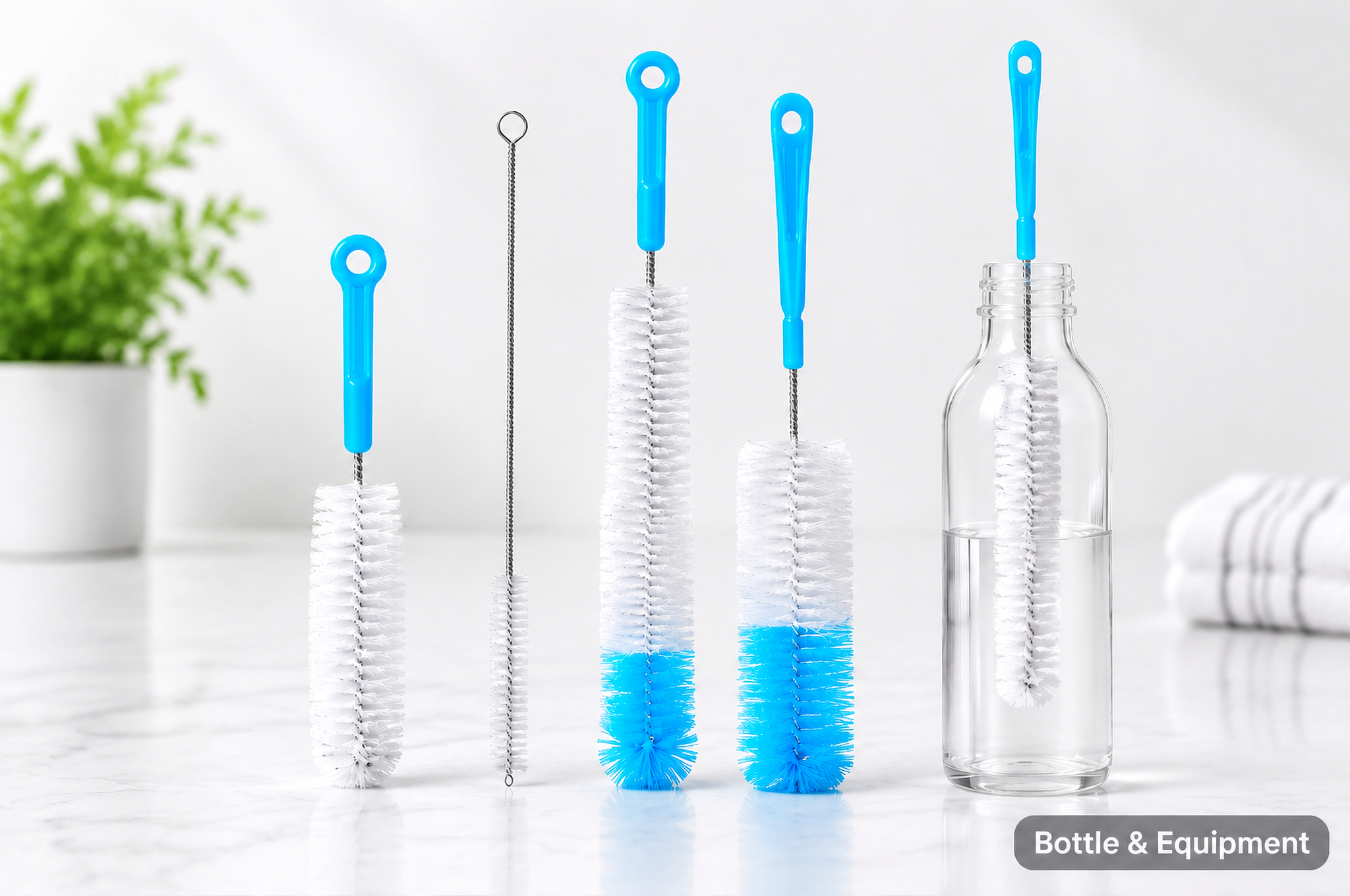
Bottle, Container, and Equipment Cleaning
Underwater and Marine Cleaning



How Does PA612 Compare with Other Nylon Brush Filaments?
Material
General Selection Logic
Factors to Validate
PA6
Commonly considered for cost-sensitive, general-purpose, or dry cleaning
Moisture-related softening, bend recovery, and service life
PA66
Often selected when dry stiffness or heat resistance is more important
Wet conditions, surface sensitivity, and required flexibility
PA610
Used when a project needs a balance of wet stability, performance, and cost
Recovery, working temperature, and chemical exposure
PA612
Evaluated when low moisture sensitivity, flexibility, recovery, and repeated-contact performance are priorities
Cost target, temperature, diameter, brush structure, and real service-life benefit
How Does BrushMake Help Customers Choose the Right PA612 Filament?
Frequently Asked Questions
Is PA612 Suitable for Wet Industrial Cleaning Brushes?
Is PA612 Always Better Than PA610, PA66, or PA6?
Should Straight or Crimped PA612 Be Used?